América
Astronomical Knowledge of the Mayans: Predictions, Calculations, and Meanings
Systematic Sky ObservationThe Mayan civilization, which flourished from approximately 2000 BCE to the 16th century, d...


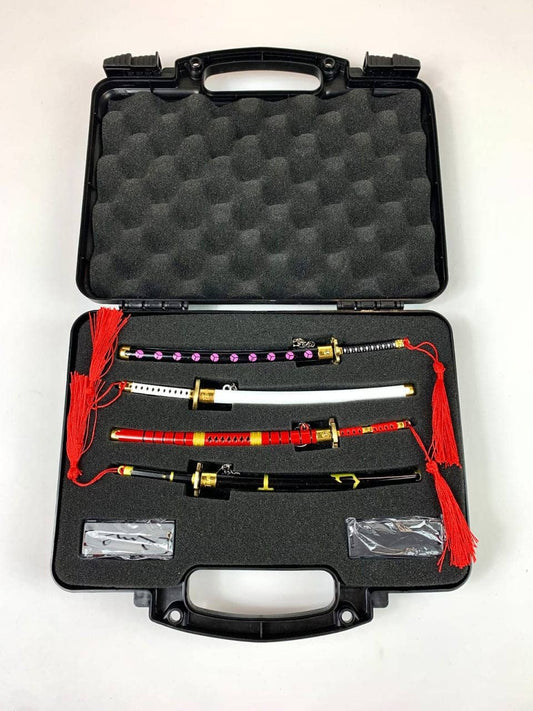


Isildur's sword in The Rings of Power is not just a weapon, but a symbol of legacy, doubt, and responsibility in the Second Age of Middle-earth. Before becoming the hero...
Isildur in The Rings of Power In Middle-earth, a sword is never a mere instrument of war: it embodies lineage, memory, and responsibility. In The Rings of Power, the story of the Second Age is enriched by showing an Isildur still far from the hero who will cut the Ring from Sauron, but already burdened with doubts and expectations. His current sword, predating the mythical Narsil, reflects this moment of identity, growth, and vulnerability. The series uses this object as a narrative device that connects tradition, power, destiny, and legacy, essential elements in the unfolding of Númenor and the future war against the encroaching shadow that looms over humanity. Isildur before the hero: a young man trapped between expectations Isildur is remembered as a valiant king and, at the same time, the protagonist of a decisive tragedy in the history of Middle-earth. However, in the series, we see him before all that: a young man torn between his personal aspirations and his duty to his family. Drawn to the sea, pressured by his nobility, and frustrated by not finding his place, he lives in a state of constant tension. This inner conflict makes him one of the most interesting human characters in the adaptation. His sword, a relic from the house of Andúnië, symbolizes his roots and his promise. Although it doesn't have the renown of Narsil, it is a tangible link to his ancestors and a reminder of the responsibility that weighs upon him. At this point in his life, the weapon represents the balance he seeks between freedom and duty, between youth and maturity, between what he desires and what is expected of him. A human sword: sober, functional, and rooted in Númenor Unlike Elvish swords, marked by artistic delicacy and visual elegance, Isildur's sword is constructed with a more human and practical aesthetic. Its forging reflects the mentality of the men of Númenor, who value use over ornamentation: The polished steel blade stands out for its simplicity, with proportions designed for battle and not for ceremonial display. The dark leather-wrapped hilt provides a firm grip, reinforcing the idea of a weapon made to endure. The pommel, engraved with a Númenórean symbol, connects the design to its cultural heritage. This symbolism reinforces the narrative: Isildur is not yet destined to wield a legendary sword, but he is destined to understand its value and the emotional bond it implies to carry it. It is an object that anticipates both his rise and his future tragedy. A sword of meaning Isildur's sword in The Rings of Power does not stand out for its appearance, but for what it represents. It is a reflection of his personal growth and an early sign of the paths that will lead him to glory and, at the same time, to the mistake that will change the destiny of all. Through this humble weapon, the series illustrates how even the most discreet objects can contain the essence of a future hero marked by shadow, bravery, and the inevitable burden of destiny.
Read more
This article explores the history of the tachi, a curved sword used by samurai before the katana. It analyzes its shape, its use in combat, archaeological findings such as the...
The Tachi The tachi was one of the most important swords in feudal Japan, widely used before the katana became the emblematic weapon of the samurai. This long sword, with a curved blade and single edge, was not only an instrument of war, but also a symbol of prestige and tradition. Its evolution reflects the social and military changes that occurred in Japan from the Heian period to the Sengoku period, leaving an invaluable historical and artistic legacy. Origin and characteristics of the tachi The tachi appeared towards the end of the Heian period (794-1185) and reached its peak during the Kamakura (1185-1333) and Muromachi (1336-1573) periods. Unlike the katana, the tachi was primarily designed for mounted combat. Its blade was more curved, facilitating precise cuts from horseback. It generally exceeded 75 centimeters in length, with a curvature that allowed for effective handling in quick and powerful attacks. A distinctive feature of the tachi was the way it was worn: suspended from the belt with the edge facing down, unlike the katana which was worn with the edge facing up. This facilitated drawing the sword during a charge and allowed for fluid movements during combat. The tachi blade was forged from tamahagane steel, a material produced through traditional processes in bloomery furnaces using iron sand, which gave it great strength and flexibility. Forging technique and artistic details Japanese swordsmiths dedicated special care to the manufacture of the tachi. The forging included advanced tempering techniques, which created unique patterns in the steel known as hamon. These patterns not only had an aesthetic function but also reinforced the blade's structure. Legendary master swordsmiths such as Sanjō Munechika, Masamune, and Muramasa produced tachi that have become true national treasures. The koshirae, or the sword's exterior fittings, was also a fundamental element. The saya (scabbard) was lacquered and often decorated with gold or black motifs, while the tsuka (hilt) was covered with ray skin and braided silk. The tsuba (handguard) featured mythological or symbolic engravings, reflecting the wearer's status and personality. These details not only served practical functions but also showcased the rich culture of the era. Archaeological findings and their historical value Various tachi pieces have been discovered in archaeological sites and ancient burial mounds in Japan. An outstanding example is the Inariyama sword, found in Saitama Prefecture and dated to the 5th century, which bears an inscription with the name of an ancient emperor. Such findings confirm the importance of the sword as a ritual object and symbol of power, beyond its martial use. Additionally, numerous tachi are part of collections in museums such as the Tokyo National Museum and the Sword Museum in Sumida. These institutions safeguard pieces considered National Treasures, preserving not only the blade but also the cultural and spiritual context embedded in each sword. The legacy of the tachi in Japanese history Although the katana displaced the tachi on the battlefield during the Edo period, the legacy of this sword remains alive. It represents an era in which war and art were closely intertwined. The tachi not only marked a technical advancement in weapon forging but also symbolized the warrior spirit and refined aesthetics of feudal Japan. In conclusion, the tachi is much more than an ancient sword. It is a living testament to Japan's history, culture, and technical skill, whose influence endures in the symbolism and tradition of the samurai sword to this day.
Read more
Tauriel's Knives have become some of the most recognizable elven weapons from The Hobbit. Their fluid design, agile use in combat, and sylvan aesthetic have elevated them to icon status...
Tauriel's Daggers from The Hobbit Among the most recognizable weapons from The Hobbit film trilogy, Tauriel's Daggers stand out for their fluidity, speed, and elegance. Their wielder, Tauriel, is one of the most dynamic characters in the trilogy directed by Peter Jackson, and her fighting style left a strong impression on fans. Although her story primarily comes from the adaptation and not from Tolkien's original texts, these daggers have become a symbol of elven culture and the warrior spirit of the Woodland Elves. Tauriel and the origin of the daggers Tauriel —captain of the Woodland Realm guard— appears as a young, resolute, and skilled warrior. The film version presents her wielding daggers, using a pair of weapons designed for rapid and precise attacks. Although Tolkien does not include her in the books, her presence fits with elven mythology and the martial tradition of Thranduil's kingdom, which also includes figures like Legolas. Regarding the origin of the daggers, the film suggests that they are part of the official weaponry of the Woodland Realm soldiers, influenced by elven forging aesthetics and techniques. There is no textual description of their creator in Tolkien's writings, but their appearance is consistent with the elven history surrounding the weapons of the Silvan Elves. Elven design and weapon characteristics Tauriel's Daggers feature a distinct elven design, with clean and light lines, crafted for continuous movement. Their shape resembles an enlarged elven dagger, longer than traditional elven weapons but shorter than elven swords. This intermediate size allows them to be considered dual weapons, designed for coordination, speed, and versatility in combat. The blade elongates into a stylized silhouette that is part of the so-called curved weapons, very characteristic of Silvan craftsmanship. Their structure aligns with other elven weapons seen in the saga, always linked to nature and harmonious aesthetics. Additionally, they are integrated within the set of bladed weapons present in Middle-earth cinema. Use in combat within The Hobbit In The Hobbit trilogy, Tauriel's Daggers appear as a natural extension of the warrior. Their use in battle demonstrates the traditional agility of elves and becomes a notable example of combat choreography. These weapons are classified as fast and silent combat weapons, ideal for patrol missions and skirmishes in dense forests. Thus, they are also included among the weapons of Middle-earth and, thanks to their visual impact, are now considered legendary weapons of the adaptation, reinforcing Tauriel's character as a central figure among the Guardians of the Woodland Realm. The perfect balance Tauriel's Daggers represent a perfect combination of elven tradition, refined design, and distinctive fighting style. Although born in the film adaptation, their aesthetics and coherence with Tolkien's fantasy weapons make them an essential piece of The Hobbit's imagery. Elegant, lethal, and deeply linked to Tauriel's identity, they have become an emblem of Silvan craftsmanship and the untamed spirit of the Woodland Realm.
Read more
The ōdachi, the monumental long sword of feudal Japan, stands out for its imposing size, its complex manufacture, and its strategic role in samurai battles. Much larger than the traditional...
The ōdachiThe ōdachi is a traditional Japanese sword famous for its exceptional length and impressive presence on the battlefield during the feudal period. Also known as nodachi, this monumental weapon far exceeded the katana and wakizashi in size and weight, and represented a type of sword designed for large-scale combat, especially in open terrain. Beyond its wartime use, the ōdachi holds great cultural and artistic value, reflecting the skill of Japanese swordsmiths and samurai military strategy. Origin and Characteristics of the ōdachiThe term ōdachi literally means "great sword" or "large sword."Its typical length usually exceeds 90 centimeters, even reaching more than a meter. This long sword has a curved blade, similar to the katana but much more elongated, and was designed to be used with both hands due to its weight and size. During the Kamakura period (1185–1333) and especially in the Sengoku period (1467–1615), the ōdachi gained popularity as an infantry and cavalry weapon, ideal for confronting enemy formations and clearing paths.Its length allowed for powerful blows capable of cutting through enemy armor and weapons, making it fearsome in combat. Manufacturing Techniques and Challenges of the ōdachiForging an ōdachi was a much greater technical challenge than manufacturing a katana or wakizashi. The length and weight required exceptionally high-quality steel and precise tempering techniques to prevent the sword from bending or breaking during combat. Japanese swordsmiths used tamahagane steel, subjected to multiple foldings, to improve its strength and flexibility.In addition, the differential tempering that created the characteristic hamon (visible temper line on the blade) had to be applied with extreme precision to maintain the balance between hardness and resistance in such a long blade. The crafting of the scabbard and hilt was also complex, as they had to support the weight and facilitate the handling of the weapon. Tactical Uses and Functions on the BattlefieldThe ōdachi was not a common weapon for everyday use due to its size and weight, but was reserved for specific combat situations.In battle, its use was predominant in open fields, where its extended reach could be leveraged to attack multiple enemies or dismount enemy cavalry. Warriors wielding the ōdachi required specialized training, as handling such a long sword demanded strength, technique, and coordination.Therefore, the ōdachi also became a symbol of power and skill, reserved for high-ranking samurai or special groups within the army. In some cases, the ōdachi had ceremonial or religious functions. It was used in purification rituals or as an offering object in Shinto and Buddhist temples, symbolizing protection and spiritual power. Famous Example and Historical LegacySome famous ōdachi have survived to this day and are exhibited in Japanese museums such as the Tokyo National Museum or the Nagoya Sword Museum.These pieces are often classified as National Treasures due to their historical and artistic value. The Norimitsu Odachi is perhaps the most outstanding example due to its dimensions: at 3.77 meters long and 14.5 kg, it is one of the longest swords known. Forged by master Norimitsu Osafune in the 15th century and exhibited at the Kibitsu Shrine (Kibitsu Jinja), in Okayama Prefecture, Japan, it is still a mystery who could wield this legendary Japanese sword, although it is believed that it was probably not forged for combat, but for ceremonial purposes or as an offering. The Haja-no-Ontachi is an exceptionally long ōdachi, considered the longest known, at 4.65 meters.It is stored in the Treasure House of the Hanaoka Hachimangu Shrine (Kudamatsu, Yamaguchi Prefecture).Donated to the shrine in 1859; it is not normally open to the public, except on special occasions or with guided tours. The Collection of ōdachi and great swords at Ōyamazumi Shrine is also noteworthy.Ōyamazumi-jinja is a shrine famous for its large collection of weapons and armor, including ōdachi and large tachi, many classified as national or important assets.It is located at the Oyamazumi Shrine Treasure Museum (Omishima), where numerous historical pieces (including long swords) are exhibited. An Imposing Sword in Appearance and HistoryThe ōdachi is one of the most impressive and significant swords in the samurai arsenal.Its colossal size, advanced manufacturing technique, and strategic use make it a symbol of Japanese warrior power and tradition. Although its handling was complex, its legacy endures as a testament to the craftsmanship and military history of feudal Japan.
Read more
The armor of soldiers in feudal Japan represents one of the most iconic elements of Japanese military history. From the imposing yoroi of high-ranking samurai to the lighter armor used...
The Yoroi The full armor of feudal Japanese soldiers is one of the most recognizable symbols of samurai warrior culture. These suits of armor, known as yoroi or ō-yoroi, not only offered protection in combat but also reflected the warrior's status, rank, and identity. Their design combines art, functionality, and tradition, making them essential pieces for understanding Japanese military history. Evolution of Japanese Armor The first Japanese armor emerged during the Heian period, when clans began to engage in prolonged conflicts. During this stage, the armor was designed for mounted archers and was made with lacquered plates joined by silk cords. Its structure allowed for mobility without sacrificing protection, a key characteristic of future samurai armor. During the Kamakura period, the ō-yoroi consolidated as the main armor for high-ranking samurai. Made of iron or hardened leather plates, it was joined by silk cords in striking colors. The set included the kabuto (helmet), known for its imposing shapes and elaborate decorations. Its design aimed to intimidate the enemy and convey power. In the Muromachi and Sengoku periods, marked by constant wars, armor evolved into lighter and more practical models such as the dō-maru, which fit the torso better. The materials used—steel, hardened leather, and mail—allowed for greater resistance. The arrival of tanegashima firearms forced the reinforcement of key body areas, transforming traditional Japanese armor into equipment even more adapted to the warfare of the time. Characteristics and Differences by Rank Armor varied notably according to the warrior's social position. These differences show how ancient samurai armor, in addition to protecting, also communicated hierarchy and function within the army. Thus, three groups can be found: High-Ranking Samurai They used elaborate armor with high-quality lacquer, precious metals, and family symbols (mon). The kabuto could have horns, crests, and ornaments with spiritual or military significance. Mid- and Low-Ranking Samurai They wore simpler but resistant armor, designed to balance protection and mobility in battle. Ashigaru Common infantry wore basic protections, such as simple cuirasses and functional iron helmets. They did not wear yoroi. These were economical armors designed for mass production. Parts of Samurai Armor Each piece had a specific purpose and was part of a complete defensive system. These are: Dō: Torso protection, the central piece of the armor. Kabuto: Helmet with shikoro to protect the neck. Sode: Large and mobile shoulder guards. Kote: Armored and flexible sleeves. Haidate: Thigh protection. Suneate: Shin guards. Tare: Skirt-like defense for hips and abdomen. Their combination created a balanced, resistant, and visually imposing Japanese war armor. Notable Armor in Japanese Museums Japanese museums preserve historical armor of great value. The Tokyo National Museum exhibits pieces that belonged to famous figures such as Tokugawa Ieyasu, where fine lacquering, advanced metallurgy, and unique symbolism can be appreciated. Meanwhile, Himeji Castle Museum houses original armor linked to the Ikeda family, showcasing regional variations and styles from the Edo period. Cultural Significance and Legacy Beyond its military function, samurai armor expresses the philosophy of feudal Japan: honor, courage, loyalty, and spirituality. Colors, symbols, and ornamentation had protective purposes and represented family or divine connections. Today, these armors are valued as historical art, a testament to the aesthetic and technical refinement of the artisans of that era. The armor of feudal Japanese soldiers represents a perfect fusion of defensive function and traditional art. Their evolution reflects tactical and technological changes, while their design shows the identity and rank of each warrior. Visiting the museums that preserve them is to delve into centuries of samurai history and admire the artisanal mastery that has survived to this day.
Read more
Hadhafang is one of the most iconic elven weapons in Middle-earth, famous for its elegant design, its deep symbolism, and its connection to the House of Elrond. Popularized in the...
Hadhafang, an Elven sword in Middle-earth Within the imaginary world of Middle-earth, few weapons have inspired as much admiration as Hadhafang, the iconic Elven sword associated with the nobility of Rivendell. Although its presence was solidified in the film adaptation of The Lord of the Rings, the Hadhafang Sword represents the union between the Elves' warrior tradition and the Elven mythology that frames Tolkien's work. This article delves into its origin, symbolism, and narrative role. Origin and lineage of the Hadhafang Sword In the vision developed for the trilogy directed by Peter Jackson, Hadhafang is attributed to the house of Elrond, one of the most influential characters in Tolkien's saga.Its name, which can be translated as "Horde-cleaver," reflects the combative spirit of the Noldor Elves and their resistance against the shadows that threaten Middle-earth.Its use in the Battle of the Last Alliance adds a historical dimension that links to the great Elven legends. Although Tolkien did not dedicate a specific passage to the sword, the idea fits perfectly into the Elves' warlike tradition and integrates into the expanded narrative that reinforces the depth of the universe.Thus, Arwen's sword on screen becomes a bridge between generations, as the film initially presents it as a weapon of her father Elrond, later inherited by the young Elf. Original design and Elven aesthetic Hadhafang stands out for its design inspired by Elven smithcraft, characterized by fluid lines, a curved silhouette, and an elegance that differentiates the weapons of Elven peoples from those of men or dwarves. The blade, defined by a delicate Elven curve, suggests a perfect combination of lightness and precision, indispensable qualities in the fight against the forces of Sauron. The Elven inscriptions that run along the blade add an essential symbolic layer, evoking ancient alliances and the ancestral power of the Noldor. This style, very present in Elven material culture, makes the Hadhafang Sword a prominent example of the legendary weapons that populate Middle-earth. Hadhafang in cinematic narrative In The Lord of the Rings, Hadhafang serves not only as a weapon but as a narrative device that connects Arwen to her lineage.Its appearance in key scenes reinforces the importance of Rivendell's Elven lineage, underscoring its link to the resistance against darkness. This approach elevated the sword to the rank of a cinematic icon, recognizable by fans worldwide and appreciated by the Tolkien fandom. Its presence in decisive moments adds depth to the story, reaffirming the role of Elven culture within modern epic fantasy. The Hadhafang Sword is a symbol of identity, legacy, and power within Middle-earth. Beyond its martial function, it represents the refined aesthetic and immortal spirit of the Elves. Its relevance in The Lord of the Rings makes Hadhafang one of the most memorable weapons in the Tolkien universe, an emblem that fuses history, tradition, and beauty within the fantasy narrative.
Read more
The sword of Gryffindor is one of the most iconic magical objects in the Harry Potter universe. Forged by goblins and a symbol of courage, it appears only to those...
The Sword of Gryffindor The Sword of Gryffindor is one of the most fascinating and iconic magical objects in J.K. Rowling's Harry Potter saga.More than just a weapon, it represents the bravery, nobility, and purity of heart of those who belong to Gryffindor House.But its relevance lies not only in the history of Hogwarts School, but also in its direct connection to the destiny of Harry and his friends. (Photo of the Decorative Gryffindor Sword - Non-Functional Collector's Replica) Origin and Forging of the Sword of Gryffindor The sword was created in the 10th century by goblins, specifically by Ragnuk the First, one of the most prestigious blacksmiths in the magical world.Forged from pure silver and inlaid with rubies, it became the personal possession of Godric Gryffindor, one of the four founders of Hogwarts. From its origins, the Sword of Gryffindor was conceived as an indestructible object, imbued with ancient magic that allows it to remain always impeccable, regardless of the passage of time or the battles fought. In addition, it is said to represent Gryffindor's courage and indomitable spirit, becoming a symbol of leadership within the magical community. Magical Characteristics of the Sword Unlike any other magical weapon, the Sword of Gryffindor possesses the unique ability to absorb what strengthens it.For centuries, it has acquired special qualities by coming into contact with powerful substances. This property makes it a living object, which evolves alongside those who wield it. Another of its most surprising characteristics is that it appears only to those who are worthy of using it.Members of Gryffindor House can summon it from the Sorting Hat, reinforcing the connection between bravery and destiny. No matter where it is physically, the sword always comes into the hand of the true hero when it is most needed. (Photo of Gryffindor Sword Harry Potter) Why can the Sword of Gryffindor destroy Horcruxes? One of the greatest enigmas in the saga is how an object can have so much power against Lord Voldemort's Horcruxes. The answer lies in its interaction with basilisk venom. When Harry Potter defeated the basilisk in the Chamber of Secrets, the sword absorbed the venom, becoming a weapon capable of destroying Horcruxes.This venom is lethal and corrosive to dark magic, which explains how it managed to annihilate objects like Slytherin's locket or Hufflepuff's cup. This detail reinforces the idea that the Sword of Gryffindor is not only a symbol of courage, but also an essential tool in the fight against dark forces. The Sword of Gryffindor in the Harry Potter Saga The sword appears at several crucial moments in the story: In the Chamber of Secrets, Harry uses it to kill the basilisk. In the Half-Blood Prince, Dumbledore desperately seeks to locate it to destroy the Horcruxes. In the Deathly Hallows, Ron Weasley retrieves the sword and destroys the locket, showing his bravery. Each appearance of the Sword of Gryffindor is linked to a moment of trial and triumph. It never arrives by chance, but as a response to the true courage of the character who claims it. Furthermore, its presence in the saga reinforces the symbolism of Gryffindor House: determination, courage, and the will to fight evil, even when the odds are stacked against them. (Photo of the Gryffindor Sword) A Legacy and Symbol of Perseverance and Determination The Sword of Gryffindor is much more than a legendary weapon. It represents the essence of the values that uphold the heroes of the Harry Potter universe: courage, loyalty, and purity of heart. Its ability to appear at the most decisive moments and its power against the Horcruxes make it a central element in the battle against Voldemort. For fans of the magical world, the Sword of Gryffindor is an eternal symbol of hope and bravery, reminding us that only those with a truly noble spirit can change history. Have you seen this beautiful Godric Gryffindor Sword Letter Opener?
Read more
Learn how to care for your sword with this practical guide, including cleaning, rust protection, handle and scabbard maintenance, and essential tips to prolong its lifespan. With these steps, you'll...
The Importance of Sword Care Swords, whether historical, functional, or decorative, require proper maintenance to preserve their aesthetics, functionality, and value. A well-maintained sword not only retains its appearance but also ensures its performance and longevity.Proper care prevents damage such as rust, premature wear, and loss of sharpness. Furthermore, keeping it in optimal condition reflects respect for the craftsmanship and history it represents.It also helps preserve the economic value of the piece, especially if it is a collector's sword or historical replica. Regular maintenance can prevent costly repairs and preserve the structural integrity of the blade and hilt. Below are essential recommendations for its care. Basic Cleaning Step by Step Immediate Drying After each use, especially in humid environments, it is crucial to dry the blade with a soft cloth to prevent rust formation. This should be done even if the sword has not been used in combat, as ambient humidity can cause corrosion. Surface Cleaning Use a soft, clean, dry cloth to remove dust and residue. Do this with gentle movements along the blade to avoid micro-scratches.It is recommended to clean the sword before and after handling it, especially if it has been touched with bare hands, as sweat and natural skin oils can damage the metal. Application of Protective Oil To prevent oxidation, apply a thin layer of oil specifically for weapons or metals. Do this uniformly, by placing a few drops on a clean cloth and applying it, covering the entire blade, including the edges.The oil should be reapplied periodically, especially if the sword is stored for long periods. Hilt Care The hilt should be cleaned in different ways depending on its material, which we will detail later. However, it is important to check the rivets and screws at least once a year, ensuring they are properly tightened. Scabbard Care Scabbard care is similar to hilt care, adapted to the material of the scabbard. Cleaning of Decorated Swords A soft toothbrush can be used to clean engravings or decorations; however, special care should be taken with painted, gilded, or silver-plated parts that are not part of the main material, as their coating could be damaged. (Photo of a Katana Cleaning and Maintenance Set) If you are more specifically interested in cleaning katanas, you can also visit this article on Katana Care. Protection Against Rust and Humidity Proper Storage Store the sword in a dry, ventilated place protected from sudden temperature changes.Prolonged contact with moisture-retaining materials should be avoided. Use of Dehumidifiers In very humid environments, using moisture-absorbing elements inside the case helps keep the sword in optimal condition. Regular Inspection Regularly inspect the blade for signs of oxidation or wear.Detecting problems early allows for preventive cleaning before the damage becomes irreversible. Act Quickly if Rust is Detected If superficial rust is detected, specialized products can be used. A soft paste of baking soda and water can also be tried (although I'll leave other effective techniques, explained in detail, in a video at the end of the article). If advanced rust is detected, it is ideal to consult specialists to avoid damaging the temper or finish of the blade by using overly corrosive products. Hilt and Scabbard Care Wooden Hilt Clean dust with a dry cloth and apply wood-nourishing oil or cream sparingly. This maintains flexibility and prevents cracks.Avoid exposing the hilt to water or sudden changes in humidity; however, if necessary, a slightly damp cloth can be used, drying immediately before applying oils. Leather Hilt Dust should be removed with a soft brush.It is recommended to treat it with specific moisturizing products for leather (such as oils, creams, or greases intended for this purpose) to preserve its flexibility and resistance.Avoid exposing it to direct sunlight to prevent premature wear. Leather Scabbard Brush regularly to remove dust and dirt. As with the hilt made of this material, when necessary, after cleaning, a moisturizing leather cream can be applied, always taking care not to saturate the material. Metal Hilt Clean with a soft cloth and protect with a thin layer of oil to prevent corrosion. Whether it's the entire hilt or its metallic components, they are treated in the same way as the blade, applying a thin layer of oil just as you would to the blade. Metal Scabbard Clean the exterior with soft cloths and, if necessary, use specific polishing products for metals.Protect the interior with a light layer of non-acidic oil or wax to prevent corrosion. Synthetic Hilts These can be cleaned simply with a dry cloth to remove dust and debris, or a slightly damp one if necessary, remembering to dry properly afterwards. (Photo of an Oil Spray to Protect Your Armor and Carbon Steel Pieces) Additional Tips Avoid Touching the Blade Avoid direct contact with fingers on the blade. Natural skin oils can promote corrosion. Use Environmentally Appropriate Accessories Use appropriate cases or stands to protect the sword from bumps, moisture, and dust. Choose the Most Suitable Location Store the sword in a safe place, avoiding areas where it might fall or suffer impacts. Review and Maintain Periodically Perform periodic maintenance even if the sword is stored, as time and environmental conditions can affect even resting pieces.Always remember to carefully check its condition to detect any trace of rust or damage while it is still minor. Understand and Consider the Materials of the Blade, Scabbard, and Hilt Not only the materials of the scabbard and hilt require differential treatment. Knowing the type of metal used in the blade helps its preservation, as each possesses a different resistance to rust and may also require different treatment. Avoid the Use of Corrosive or Aggressive Substances If polishing or sharpening is needed, it is recommended to use soft tools adapted to each material to avoid scratching or damaging the blade.Similarly, if chemicals are required, for example, in case of deep oxidation, it is advisable to seek expert advice. Pay Attention to Care and the Direction of Work on the Blade Always work from the base towards the tip to avoid accidents, taking extreme precautions with sharp swords. Always Keep Dry It is essential to remember to dry the sword after cleaning it. In addition, it is necessary to ensure that there are no excess oil residues after oiling, nor accumulation of damp substances in folds and reliefs. RememberPrevention is Better Than Cure Regular and proper maintenance of a sword not only preserves its functionality and aesthetics but also ensures its longevity and value. By following these tips, you can enjoy your sword for many years, preserving both its beauty and its structural integrity. You can also watch the following videos that may be helpful: - How to care for your swords. - How to remove rust from metal.
Read more
Swords have been key weapons throughout history, representing much more than combat: culture, tradition, and symbolism. Their classification depends on handling, shape and design, reflecting eras and warfare techniques. From...
The Different Types of Swords Swords have been fundamental weapons throughout human history, adapting to the tactical, cultural, and technological needs of each era and region. Below, we will explore their classification according to different criteria, their distinctive characteristics, and representative historical examples. How are swords classified? Swords can be classified according to various criteria, such as handling, blade shape, and historical-cultural period. Each classification allows us to better understand their evolution and use in different contexts. Below, we will look at some of the possible classifications. Classification by handling One-handed swords Designed to be used with a single hand, allowing the warrior to hold a shield or perform other actions simultaneously.They are light and balanced, ideal for fast and agile combat. Hand-and-a-half swords Also known as bastard swords, these swords have an elongated hilt that allows them to be used with one or two hands.They offer versatility in combat, combining the agility of a one-handed sword with the power of a two-handed one. Two-handed swords Swords of great size and weight, designed to be wielded with both hands. They are ideal for powerful attacks and for engagements against heavily armed opponents. Classifications by shape and design Classification by blade curvature Straight swords Typical of European and Mediterranean tradition, these weapons have a straight blade, usually double-edged, making them versatile for cutting and thrusting. Curved swords Characteristic of Asia and the Middle East, they feature an arched blade that favors wide, fast, and fluid cuts, especially from horseback. Classification by edge Single-edged swords Lighter and faster to handle, they are optimized for effective cuts without losing precision. Double-edged swords Designed for cutting in both directions and thrusting with greater ease, they were predominant in Europe. Classification by point Swords with sharp, narrow points Ideal for thrusting, piercing armor, and precision combat, typical of Renaissance fencing. Swords with rounded or broad points More suitable for cutting than piercing, they were used in dynamic and cavalry combat. Classification by length and proportion Short swords (50–70 cm) Compact and easy to carry, they were used in close combat and in tight formations. Medium swords (70–100 cm) Balanced for cutting and thrusting, they were very versatile weapons on the battlefield. Long swords (100–140 cm or more) Often required the use of both hands, offering great reach and cutting power. Classification by guard and hilt design Swords with simple guards Incorporated a basic crossguard that protected the hand, typical of medieval Europe. Swords with elaborate or basket guards Featured more complex hand protections that surrounded the hand, designed for advanced fencing. Swords without guards With minimal hilts, they were more primitive or utilitarian, prioritizing the blade over hand defense. Historical and cultural examples of swords Roman gladius A short, straight sword used by Roman legionaries.Its design allowed for precise thrusts in close-quarters combat, being fundamental to Roman military tactics. Japanese katana A curved, single-edged sword, a symbol of samurai culture.Its blade, forged with traditional techniques, is renowned for its elegance and effectiveness in combat. Renaissance rapier A one-handed sword with an elaborate hilt, popular in Europe during the Renaissance.Its design allowed for both cuts and thrusts, being used in duels and for personal defense. Scottish claymore A large two-handed sword used by Scottish warriors.Its wide blade and long hilt allowed for powerful attacks, making it emblematic in the Scottish Wars of Independence. Iberian montante A large sword used on the Iberian Peninsula during the Middle Ages.Its length and weight made it suitable for combat against heavily armed opponents. Viking sword A double-edged weapon used by Norse peoples between the 8th and 11th centuries.Balanced and sturdy, it was designed for powerful cuts and was a symbol of prestige among Viking warriors. Persian shamshir A curved and elegant sword, native to Persia and widespread in the Middle East.Its thin, sharp blade made it ideal for quick cuts, and its design influenced later Islamic swords. Indian talwar A curved sword from India, with a distinctive circular guard.It was used by cavalry and warriors of the Indian subcontinent, noted for its effectiveness in mounted attacks. Chinese jian A straight, double-edged sword, considered the "noble weapon" of China.Used for over 2,500 years, it was associated with both combat and spiritual and philosophical practice. Chinese dāo A curved, single-edged sword, very popular in the Chinese military.Known as the Chinese "saber," it was valued for its versatility and ease of use, becoming an iconic weapon in martial arts. A sword adapted to every need The diversity of swords throughout history reflects societies' adaptation to their combat and defense needs. From the tight formations of Roman legions to duels of honor in Renaissance Europe, each sword tells a story of its time and culture. Understanding these weapons allows us to appreciate not only their design and functionality but also the historical context in which they were forged. At Espadas y más, you can find a wide variety of Swords and Katanas and much more. Don't miss out!
Read more