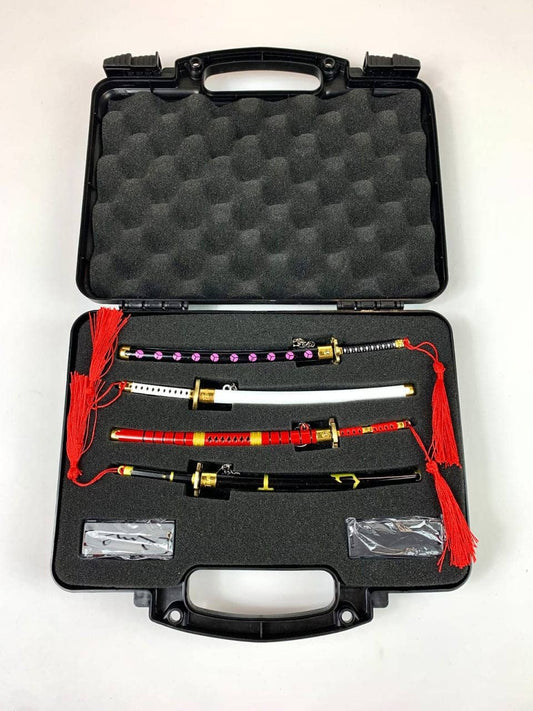


The Importance of Sword Care
Swords, whether historical, functional, or decorative, require proper maintenance to preserve their aesthetics, functionality, and value.
A well-maintained sword not only retains its appearance but also ensures its performance and longevity.
Proper care prevents damage such as rust, premature wear, and loss of sharpness.
Furthermore, keeping it in optimal condition reflects respect for the craftsmanship and history it represents.
It also helps preserve the economic value of the piece, especially if it is a collector's sword or historical replica.
Regular maintenance can prevent costly repairs and preserve the structural integrity of the blade and hilt.

Basic Cleaning Step by Step
Immediate Drying
After each use, especially in humid environments, it is crucial to dry the blade with a soft cloth to prevent rust formation. This should be done even if the sword has not been used in combat, as ambient humidity can cause corrosion.
Surface Cleaning
Use a soft, clean, dry cloth to remove dust and residue. Do this with gentle movements along the blade to avoid micro-scratches.
It is recommended to clean the sword before and after handling it, especially if it has been touched with bare hands, as sweat and natural skin oils can damage the metal.
Application of Protective Oil
To prevent oxidation, apply a thin layer of oil specifically for weapons or metals. Do this uniformly, by placing a few drops on a clean cloth and applying it, covering the entire blade, including the edges.
The oil should be reapplied periodically, especially if the sword is stored for long periods.
Hilt Care
The hilt should be cleaned in different ways depending on its material, which we will detail later. However, it is important to check the rivets and screws at least once a year, ensuring they are properly tightened.
Scabbard Care
Scabbard care is similar to hilt care, adapted to the material of the scabbard.
Cleaning of Decorated Swords
A soft toothbrush can be used to clean engravings or decorations; however, special care should be taken with painted, gilded, or silver-plated parts that are not part of the main material, as their coating could be damaged.

If you are more specifically interested in cleaning katanas, you can also visit this article on Katana Care.
Protection Against Rust and Humidity
Proper Storage
Store the sword in a dry, ventilated place protected from sudden temperature changes.
Prolonged contact with moisture-retaining materials should be avoided.
Use of Dehumidifiers
In very humid environments, using moisture-absorbing elements inside the case helps keep the sword in optimal condition.
Regular Inspection
Regularly inspect the blade for signs of oxidation or wear.
Detecting problems early allows for preventive cleaning before the damage becomes irreversible.
Act Quickly if Rust is Detected
If superficial rust is detected, specialized products can be used. A soft paste of baking soda and water can also be tried (although I'll leave other effective techniques, explained in detail, in a video at the end of the article).
If advanced rust is detected, it is ideal to consult specialists to avoid damaging the temper or finish of the blade by using overly corrosive products.

Hilt and Scabbard Care
Wooden Hilt
Clean dust with a dry cloth and apply wood-nourishing oil or cream sparingly. This maintains flexibility and prevents cracks.
Avoid exposing the hilt to water or sudden changes in humidity; however, if necessary, a slightly damp cloth can be used, drying immediately before applying oils.
Leather Hilt
Dust should be removed with a soft brush.
It is recommended to treat it with specific moisturizing products for leather (such as oils, creams, or greases intended for this purpose) to preserve its flexibility and resistance.
Avoid exposing it to direct sunlight to prevent premature wear.
Leather Scabbard
Brush regularly to remove dust and dirt. As with the hilt made of this material, when necessary, after cleaning, a moisturizing leather cream can be applied, always taking care not to saturate the material.
Metal Hilt
Clean with a soft cloth and protect with a thin layer of oil to prevent corrosion.
Whether it's the entire hilt or its metallic components, they are treated in the same way as the blade, applying a thin layer of oil just as you would to the blade.
Metal Scabbard
Clean the exterior with soft cloths and, if necessary, use specific polishing products for metals.
Protect the interior with a light layer of non-acidic oil or wax to prevent corrosion.
Synthetic Hilts
These can be cleaned simply with a dry cloth to remove dust and debris, or a slightly damp one if necessary, remembering to dry properly afterwards.

Additional Tips
Avoid Touching the Blade
Avoid direct contact with fingers on the blade. Natural skin oils can promote corrosion.
Use Environmentally Appropriate Accessories
Use appropriate cases or stands to protect the sword from bumps, moisture, and dust.
Choose the Most Suitable Location
Store the sword in a safe place, avoiding areas where it might fall or suffer impacts.
Review and Maintain Periodically
Perform periodic maintenance even if the sword is stored, as time and environmental conditions can affect even resting pieces.
Always remember to carefully check its condition to detect any trace of rust or damage while it is still minor.
Understand and Consider the Materials of the Blade, Scabbard, and Hilt
Not only the materials of the scabbard and hilt require differential treatment. Knowing the type of metal used in the blade helps its preservation, as each possesses a different resistance to rust and may also require different treatment.
Avoid the Use of Corrosive or Aggressive Substances
If polishing or sharpening is needed, it is recommended to use soft tools adapted to each material to avoid scratching or damaging the blade.
Similarly, if chemicals are required, for example, in case of deep oxidation, it is advisable to seek expert advice.
Pay Attention to Care and the Direction of Work on the Blade
Always work from the base towards the tip to avoid accidents, taking extreme precautions with sharp swords.
Always Keep Dry
It is essential to remember to dry the sword after cleaning it. In addition, it is necessary to ensure that there are no excess oil residues after oiling, nor accumulation of damp substances in folds and reliefs.
Remember
Prevention is Better Than Cure
Regular and proper maintenance of a sword not only preserves its functionality and aesthetics but also ensures its longevity and value.
By following these tips, you can enjoy your sword for many years, preserving both its beauty and its structural integrity.
You can also watch the following videos that may be helpful: