América
Astronomical Knowledge of the Mayans: Predictions, Calculations, and Meanings
Systematic Sky ObservationThe Mayan civilization, which flourished from approximately 2000 BCE to the 16th century, d...




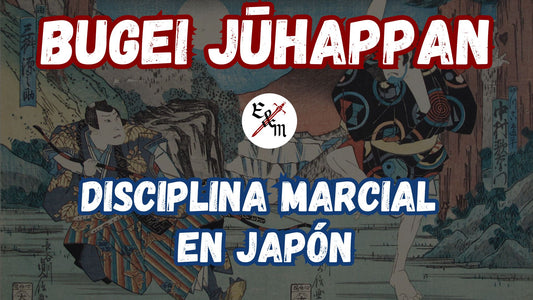
Welcome to a new article from Espadas Y Más. Today will be a very direct but also very informative post. We want to talk to you about Bugei Jūhappan, the traditional 18 martial disciplines of the Japanese arts. Check out this spectacular Yainohanzo katana! Bugei Jūhappan This selection of techniques was used by the samurai of the Tokugawa era in Japan. This concept was established by Hirayama Gyozo, and is based on previous Chinese concepts such as the 18 weapons of wushu. This Naginata is spectacular! In each Ryu-Ha the techniques and even disciplines may vary, at the discretion of each school, for this reason, the list may vary, but it is common to find the following disciplines in Bugei Jūhappan: - Kenjutsu (Swordsmanship) - Battojutsu (Unsheathed) - Sojutsu (Spear fighting) - Naginatajutsu (Fight with Naginata) - Kyujutsu (Archery) - Kyuba (Horse Archery) - Suijutsu , specifically To-suijutsu (Swimming) - Bōjutsu (stick fighting) - Nagamono (Polearm Fighting) - Torimono Dougu (Arrest Weapons) Weapons used by the Feudal Police of Japan to restrain or arrest someone without harming them. - Kakushi Buki Jutsu (Concealed Weapons) Small, easily concealed hand weapons used for emergency self-protection, such as brass knuckles, etc. - Jujutsu (Unarmed combat) - Shurikenjutsu (Blade Throwing) - Hojutsu (Musketeery) - Jouhou Kaishuu (Information gathering) - Chikujou (Fortifications) - Angou (signaling) - Jinei/Heihou (Strategy and Tactics) As you can see, the list is extensive and interesting, but there is also something less known but equally relevant, the Ninja Jūhakkei , more typical of the Shinobi, which consists of the previous techniques, added to the following: - Seishin teki kyōyō (Mental development and spiritual refinement) - Taijutsu (Unarmed Combat: Jutaijutsu, Daken Taijutsu, Koppo Jutsu, Kosshijutsu) - Bikenjutsu (Sword: Tantōjutsu, Kodachijutsu, Ōdachijutsu, Ninja tōjutsu, Ittojutsu, Nitojutsu) - Sōjutsu (Spear) - Naginatajutsu (Swordlance) - Bisentōjutsu (Halberd) - Kusarigamajutsu , Kyoketsu shoge (Sickle and chain, rope) - Roku shaku bōjutsu , Bōjutsu (Staff) - San shaku bō jutsu , jojutsu (Staff) - Shurikenjutsu , Senbannagejutsu (Throwing blades, usually to distract) - Kishajutsu (Mounted Archery) - Inton jutsu (Shinobi escape techniques) - Hokojutsu (Walking techniques) - Hensō jutsu (Shinobi clothing and disguise techniques) - Kakushi Bukijutsu (Hidden Weapons) - Ninyakujutsu (Use of medicine and poisons) - Gunryaku Heiho (Strategy) - Tenmon, Chimon (Strategies of Heaven and Earth, meteorology) If you notice, some disciplines are repeated, or are similar, and what changes is a greater imprint of the disciplines of concealment, espionage, infiltration, and related elements. This is due to the fact that in certain periods of Japanese history, part of the Shinobi, belonged in turn to the samurai caste, so the study of Bugei is intertwined with the needs of the study of the arts of concealment, so necessary for the Shinobi. We hope you enjoyed it, and that you are diligent in your training! If you want a good katana, check out our store!
Read moreWelcome to a new blog from Espadas Y Más! Today we will talk about the mythological and interesting figure of the TENGU and their relationship with the samurai. THE TENGU. JAPANESE FOLKLORE The tengu, a mysterious and captivating figure from Japanese folklore, has captured the imagination of generations with its appearance and supernatural powers. This being has left an indelible mark on Japanese culture and beliefs. From ancient legends to their depiction in modern art, tengu continue to be an object of interest for lovers of Japanese mythology. Check out our Katana Shop! Tengu are usually depicted with a long, sharp, bird-like beak , resembling that of a crow, extending from their mouth. They are also associated with enormous black wings, which allow them to fly at great speed and control the wind . They are said to be able to take the appearance of humans or animals in order to remain unnoticed. A unique feature of tengu is their long, sharp nose, one of the most recognizable symbols of the entity. The tengu's nose is believed to represent their wisdom and cunning, granting them knowledge and supernatural powers. Buy this spectacular Top Range katana! Legends of the tengu date back centuries in Japan. According to these legends, these entities are descendants of the Shinto gods and have existed since ancient times. There are countless stories and tales that narrate the exploits of the tengu, which has contributed to their fame and mystery to this day. One of the most famous stories about tengu takes place on Mount Takao , a sacred site located near Tokyo. According to legend, tengu reside deep within the forests of Takao and are watchful protectors of the mountain. It is said that if anyone ventures too close to their territory without permission, the tengu will punish them with strong gusts of wind and may temporarily paralyze them. Katana from The Last Samurai at your disposal In this legend, tengu are portrayed as powerful beings and protectors of their territory. Their ability to control the wind is believed to grant them mystical powers over nature and humans. This story has endured through the centuries and has contributed to the widespread belief that tengu are able to influence the weather. Another famous story related to the tengu involves the brave samurai warriors of Japan . According to legend, tengu are drawn to the spirit of the samurai and often appear to them in the form of birds or creatures with animal features. They are believed to be able to teach martial arts techniques and grant supernatural powers to those who demonstrate bravery and skill in battle. This Mushashi Functional Katana is amazing! This relationship between tengu and samurai has led to the belief that these creatures are associated with war and destruction. Some even believe that tengu are responsible for inciting conflict and disputes between humans, contributing to the fascination and fear surrounding tengu, as they are seen as powerful but potentially dangerous beings. The exact nature of tengu has been a matter of debate for centuries. Some interpretations see them as lesser divinities or protective spirits in Shinto, the ancient indigenous religion of Japan. They are thought to possess the ability to protect people from evil spirits and harmful deities. High quality Tanjiro Kamado Katana! However, there are those who perceive tengu as demonic and hellish entities. They are credited with malicious and deceitful acts, and are said to cause trouble for humans. Many narratives have depicted tengu as playful beings who enjoy creating chaos and confusion. Katana Ghost of Tsushima! In Japanese culture , they have featured in countless stories, plays, paintings and sculptures, becoming a recurring theme in Japanese art and literature. Exceptional YariNoHanzo Katana! In addition to their influence on art, tengu have also left their mark on the Japanese language. The word “tengu” has been used to describe people or things that are playful, mischievous, or cunning. This association with tengu has led to the creation of a rich terminology that reflects the influence of these creatures on the Japanese language. Today, tengu remain prominent figures in Japanese popular culture. They are frequently depicted in manga, anime, and video games, capturing the attention of audiences around the world. Their iconic image and role in Japanese legends have made them an enduring symbol of Japanese mythology.
Read more