


América
Astronomical Knowledge of the Mayans: Predictions, Calculations, and Meanings
Systematic Sky ObservationThe Mayan civilization, which flourished from approximately 2000 BCE to the 16th century, d...


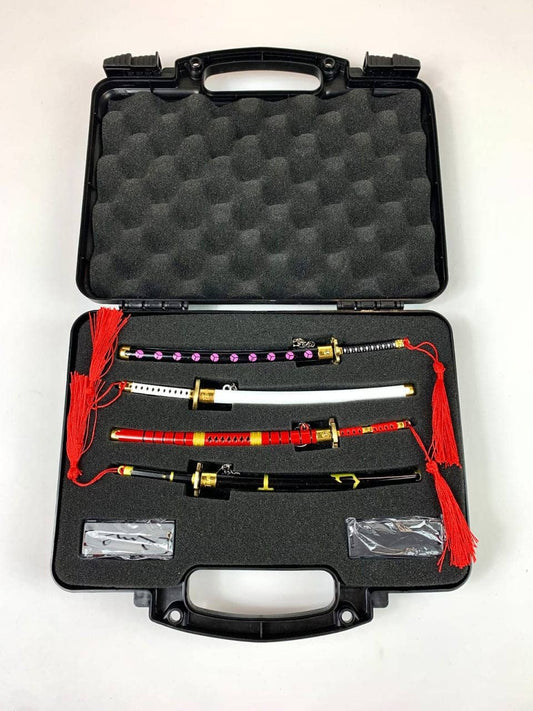


Muramasa swords have transcended the boundaries of Japanese history to become authentic symbols of mysticism, power, and artisanal excellence. Forged by one of the most enigmatic blacksmiths of feudal Japan,...
Since time immemorial, swords have been symbols of power, honor, and skill in Japanese culture, with katanas being particularly prominent. Among the many legends of blacksmiths, especially Japanese swordsmiths, none resonates as much as that of Muramasa, a name that evokes both admiration and fear. Muramasa swords are not just weapons; they are pieces of art, history, and mysticism that have endured throughout the centuries. I invite you to explore the legacy of these swords, their unique characteristics, the stories surrounding them, and their value in today's world. Distinctive Features of Muramasa Swords · Muramasa-ba (Leaf Pattern) The uniqueness of Muramasa swords begins with the Muramasa-ba, the hamon or tempering pattern that adorns their blades, a very characteristic of katanas. These distinctive lines, which can resemble dancing flames or moving waves, are not merely decorative. They act as an indicator of the different levels of hardness along the blade, resulting in greater cutting ability and durability. The Muramasa-ba has become a recognizable symbol of Muramasa's mastery. · Muramasa-nakago (Tang) The nakago, or tang, is another essential feature of these swords. Although hidden in the handle, its meticulous craftsmanship reveals much about their history. It often features engraved markings and a finish that combines functionality with aesthetics. Experts can sometimes date the sword based on the shape of the nakago and its markings, providing a deeper connection to its time of manufacture. Cursed Reputation The infamy of Muramasa swords stems from their supposedly cursed nature. Throughout the ages, legends have held that these swords tend to incite their wielders to acts of violence and aggression, or demand to be stained with blood, whether from the enemy or the wielder himself. Something that influenced many samurai to prefer not to possess them. This dark myth has contributed to their mystical aura, attracting admirers and fanatics, both believers and skeptics. Muramasa Swords in Today's Market Genuine Muramasa pieces are now rare and highly valued. This blacksmith's legacy has been passed down from generation to generation, but many of his works have disappeared during wars and political crises. Owning a Muramasa sword was once considered almost criminal, which has only increased its rarity and, consequently, its value. Nowadays, an authentic sword can fetch prices in the tens of thousands of euros at auction. The story behind a Muramasa sword isn't just about its quality; it's a journey through time, unparalleled craftsmanship, and a legacy that continues to defy history. Muramasa: A Legacy That Endures Although Muramasa's figure is shrouded in mystery, the impact of his swords on Japanese history is indisputable. From samurai warriors to contemporary collectors, his works capture the imagination of those seeking to understand the essence of Japanese culture. The legendary aura surrounding Muramasa not only highlights the quality of his work, but also the importance of the symbolism that swords possess in Japanese narrative. Historians such as Oscar Ratti and Adele Westbrook have argued that the dark reputation of these steels may have influenced their continued absence from classification as "National Treasures of Japan." Perhaps, with evolving cultural perceptions and greater recognition of their historical and technical significance, appreciation for Muramasa's work will change in future generations. Legendary Muramasa swords and their wielders Muramasa swords are renowned for their mysticism and their connection to legendary warriors. Known as "swords that transcend time," their fame has endured through generations, capturing the imagination of many. Here are just a few: · Muramasa no Kaze: The Sword of Wind by Yamato Takeru Belonged to Yamato Takeru With a lighter blade than ordinary swords, this sword is designed for swift and elusive combat. Its edges are as sharp as the wind, allowing for precise and lethal cuts. Yamato Takeru, a heroic figure from Japanese mythology, is known for his bravery and resourcefulness in battle. He is said to have been able to overpower powerful enemies thanks to the spirituality emanating from the sword Muramasa no Kaze. This blade was not only a tool of war, but also a companion that guided him on his quest and protected him in times of adversity. · Muramasa no Hōō: The Phoenix Wielded by Yoshitsune Belonged to Minamoto no Yoshitsune This sword is famous for its blade decorated with phoenix symbols, representing rebirth and renewed strength. Its hilt is sturdy, providing a firm and powerful grip. Minamoto no Yoshitsune was one of Japan's most legendary warriors, whose strategies and bravery have been admired for centuries. It is said that by wielding Muramasa no Hōō, Yoshitsune not only became a formidable leader, but was also endowed with unparalleled fearlessness, capable of facing entire armies at the command of his faithful warriors. Muramasa's legacy is a testament to how art and history can intertwine to create pieces that not only stand out in their time, but also inspire and fascinate over time. Muramasa swords, with their unique characteristics and the mysticism that surrounds them, are more than just weapons; they are an enduring cultural legacy. For those who feel a connection to history, craftsmanship, or ancient myths, the story of Muramasa continues to offer a rich and immersive narrative that will endure for generations to come. The deep admiration they inspired in their time remains intact, reminding us that some legends never die. If you like katanas, antique swords (both Japanese and from around the world), and collecting, don't hesitate to visit our Online Store .
Read more
A journey through the history and evolution of the katana, from its origins influenced by Chinese swords to its consolidation as a symbol of samurai culture.
Swords have been symbols of power, honor, and skill throughout history, but few have captured the popular imagination like the katana. That elegant, curved blade, with its distinctive design and almost mystical aura, has come to represent the mastery of Japanese forging and samurai nobility. However, as we explore their past, we wonder: Are katanas truly unique to Japan, or have they been influenced by traditions from other countries, particularly China? In this article, we'll uncover its fascinating history, from its conception by masters like Masamune to its relevance in today's world. Historical origins and its Chinese influence The history of the katana begins approximately thirteen hundred years ago, during the eighth century. The swords that preceded it, such as the jian and the tang- dao , were Chinese swords that arrived in Japan long before the modern katana took shape. Although these ancient swords differed considerably in design—the jian is a straight, double-edged sword, while the dao is a curved, usually single-edged blade—talented Japanese swordsmiths learned and adapted. Through a gradual process of innovation and improvement, a weapon emerged that was both functional and artistic. During the Heian period (794–1185), Japanese swords began to evolve. Although the katana itself did not yet exist, long swords known as tachi began to become popular among the aristocracy and samurai. They had a curved shape similar to the katana, but were designed to be carried suspended with the blade pointing downward. As combat evolved, the need for a sword that allowed for quick draw and a smooth transition between attack and defense became apparent. It was during the threat of the Mongol invaders in the 13th century that the need for a sword that could cut through their thick leather armor began, giving rise to the katana, which irreversibly changed the way of fighting in Japan. Chinese influences on the evolution of the katana The influence of Chinese traditions on sword forging is undeniable. Early Japanese blacksmiths adopted Chinese forging and metalworking techniques, and although they adapted them to their own cultural context, it is possible to trace a link through the centuries that illustrates how these influences shaped what would eventually become the katana. In addition to Chinese swords, there are other types of Japanese swords that help contextualize the evolution of the katana. The wakizashi , a shorter sword often carried alongside the katana, also evolved out of tactical needs, specifically its usefulness in tighter spaces. Together, these swords formed the daisho , a samurai status symbol. The golden age of the katana Moving forward in time, we reach the Muromachi period in the 14th century, where the art of sword forging reached its zenith. It became a cultural and spiritual symbol. Unfortunately, the creation of quality katanas could not always be sustained. During the turbulent Sengoku period, when Japan was mired in internal wars, the demand for swords increased dramatically. This led to a more industrialized production, where quantity outweighed quality. Later, with the unification of Japan and the establishment of the Edo period (1603–1868), there was a fundamental shift in the perception of the katana. During this time of relative peace, the sword became more of an art object than a combat weapon. Forging techniques were perfected and Master swordsmiths like Masamune and Muramasa became famous for the quality and beauty of their swords. These swords were considered "living" and believed to possess a spirit that could offer protection or cause calamity. This era marked the heyday of the katana, a weapon that was not only a lethal instrument but also a work of art. While the Osaka masters created beautiful and ornate swords, katanas began to be used less on the battlefield and more as symbols of prestige. The Katana in the Modern Age: Japanese Tradition and Cultural Legacy The rise and fall of the katana continued into the 19th century with the Meiji Restoration, which brought with it a wave of Westernization that swept away many ancient traditions. Samurai swords, once objects of respect and power, became heirlooms. Despite the abolition of the katana in public and the emergence of firearms, there is a resurgence of interest in these swords. Today, enthusiasts and collectors seek to acquire authentic katanas, proving that the fascination with these objects has not diminished over time. Their popularity has spread beyond Japan and is recognized and imitated worldwide. The skill of contemporary smiths in keeping the traditions of katana forging alive reflects a deep connection with Japanese history. While the katana may have roots intertwined with Chinese influences and other traditions, its specific evolution and intrinsic symbolism are quintessentially Japanese, and it has come to represent not only the prowess and spirit of samurai warriors, but also a rich history of innovation, adaptation, and a cultural legacy that endures today. So are katanas really Japanese? Although its origins are intertwined with influences from other traditions, particularly ancient China, its evolution and perfection, leading to its distinctive sword form, occurred in Japan. The essence of the katana forging art, its cultural significance, and its aesthetic are undeniably Japanese. As we explore their history, the legacy of bravery and honor they represent is undeniably Japanese. It's a symbol that continues to inspire generations and undoubtedly still has much to tell. If you like katanas, or even want to see other types of swords, including Chinese ones, don't hesitate to visit our online store .
Read more
Legend, tragedy, and superstition have given life to the story of the legendary blacksmith Muramasa , whose creations have been considered cursed throughout Japanese history. We invite you to learn...
Throughout Japan's vast history, amidst honor and dishonor, legendary warrior figures and incomparable artisans stand out. But one shines with a dark glow: Muramasa. The katanas forged by this legendary Japanese blacksmith are considered cursed swords. They are symbols of a disturbing duality that continue to whisper tales of glory and tragedy throughout the centuries, placing him as the undeniable opposite of the legendary blacksmith Masamune. It is said that by wielding a Muramasa katana, one faces a legacy of curse, a legacy that has inspired fear and fascination in equal measure. Who hasn't wondered what secrets are hidden in the steel that cuts the lives of nobles and challenges destiny? The Myth of the Cursed Craftsman: Curse or Coincidence? Muramasa Sengo is one of the most enigmatic figures, it is believed that he was a master blacksmith of the Muromachi period (14th to 16th centuries) who lived in the province of Ise, Japan. His work is recognized for the beauty, quality and resistance of his katanas. It is said that his weapons were so sharp that they seemed to thirst for blood, which gave rise to the aura that surrounds him, as these have been the subject of numerous legends and stories that describe them as cursed weapons, bringers of misfortune to their possessors. Leaves with a will of their own? Legend has it that his violent and obsessive soul permeated every blade he forged, giving his swords their own will and an almost demonic character. Unlike famous katanas like Masamune 's, which represented harmony and justice, the Muramasa were considered unbalanced. It was once believed that they demanded to be drawn, and once out of their saya, they could not be drawn again without shedding blood, even that of the wielder. This led many samurai to refuse to use them, believing that they brought inevitable death. The Tokugawa Blood Curse Although there is no historical evidence that they were cursed, the accumulation of tragic coincidences and their association with figures such as the Tokugawa fueled the legend. They were believed to be more than just weapons; they had an insatiable thirst for blood, especially the blood of the Tokugawa dynasty, the dynasty that ruled Japan for nearly 250 years. The relationship between Muramasa swords and these is both tragic and fascinating: Ieyasu Tokugawa, the first shogun of the dynasty, feared these legendary swords, convinced that they brought misfortune to his lineage due to numerous mishaps related to them. In 1535, his grandfather, Matsudaira Kiyoyasu, was assassinated by his own retainer, Abe Masatoyo, with a sword forged by Muramasa, one of the first incidents linking such swords with misfortune in the family. Later, the samurai Iwamatsu Hachiya, under the influence of alcohol, stabbed his father, Matsudaira Hirotada, using a Muramasa, reinforcing the belief in the curse within the clan. Finally, his firstborn, Matsudaira Nobuyasu, committed seppuku and his kaishakunin, Amagata Michitsuna, used a Muramasa katana to carry out the act, adding another tragic episode associated with these weapons in the Tokugawa family. Ieyasu is also said to have suffered an accidental injury with a Muramasa during his youth in Suruga, an incident that would contribute to his negative perception of these weapons. Due to the many tragic events associated with Muramasa katanas, Ieyasu decided to ban their possession, believing they brought misfortune to his family. This ban was extended to the entire country during his shogunate, making them a symbol of defiance against his rule. The Muramasas as a symbol of rebellion Popular belief held that Muramasa brought misfortune. Their use became an act of defiance. During the Bakumatsu period, shishi , opponents of the Tokugawa shogunate, sought out Muramasa swords, considering them symbols of resistance against the established regime, and turning them into emblems of political defiance. Thus, for example, Sanada Yukimura, during the Siege of Osaka, carried a Muramasa tanto, openly defying the Tokugawa clan. Or, as early as the 19th century, Saigo Takamori, leader of the Satsuma rebellion against the Meiji government, carried a Muramasa dagger concealed inside his war fan, symbolizing his defiance of the established power. A Living Legacy The legend of Muramasa's curse grew stronger over time, fueling a history of superstitions and myths that blended reality with folklore. Elements of the story, such as conspiracies and betrayals, were intertwined with the myth, creating an aura of doom around each blade. The cursed Muramasa katanas remain a symbol of power and tragedy in Japanese history. Their presence in popular culture and their connection to the samurai make them some of Japan's most enigmatic swords. Despite their dark reputation, they remained coveted. Viewed as objects of power, capable of granting the wielder unparalleled strength and skill, at a price: a tribute of blood. This dualism has made them sought after not only for their quality, but for the history they represent. It has also led to his immortality in Japanese and international culture, appearing in video games, anime, manga, and films, where his name continues to evoke images of power and tragedy. They have also become a symbol of resilience and defiance, resonating with those who seek to emulate the strength of warriors of the past. In this contemporary world, where it's easy to forget that behind every samurai sword lies a story, a life, and a legacy, Muramasa swords invite us to reflect on the essence of power and the responsibility it entails. Is steel simply an instrument, or is it a receptacle for the history and emotions of those who have wielded and forged it, and of those who have lost their lives beneath its blade? The Echo of the Cursed Swords Muramasa's katanas, shrouded in their legendary curse, are part of the history of samurai and swordsmiths in Japan. With their aura of mystery and legacy of power, they remind us that history is full of shadows and light. Although steel can be sharp and deadly, it is history and human context that truly shape its meaning. Thus, when contemplating a Muramasa, one not only sees a masterpiece of Japanese blacksmithing, one is confronted with an echo of the ancient samurai, a reminder that honor and tragedy are inextricably intertwined. And evoking the name of this forger invites us to think about the story behind each samurai sword, the lives it has touched, and the lessons that still resonate today. Whether for their perfect edge or the tragedies that surround them, they remain an essential part of the Japanese imagination, fascinating historians and folklore enthusiasts. And you, do you believe in curses or in the power of suggestion?
Read more
If you're interested in Japanese history and samurai culture, you'll surely find this introduction to Daishō helpful, as it teaches you about its meaning, history, and relevance to samurai.
In the fascinating world of katanas, one of the most emblematic practices is the use of daishō , a pair of Japanese swords generally composed of the katana and the wakizashi, being its most commonly known form, although it has also been formed by other duos of traditional Japanese swords . The daishō embodies the elegance, duality, and tradition of Japanese sword art, as well as being transcendent in samurai history. In this article, we'll take a look at the historical significance of daishō, its symbolism, and its application in combat. Origin of the name Daishō The daishō originated in feudal Japan, where it was primarily used by samurai as a symbol of their elevated social status and martial prowess. The term "daishō" literally means "large and small" and refers to the different sizes of the two swords it comprises. The word daishō comes from the combination of "daitō" (long sword) and "shōtō" (short sword). Initially, it referred to the practice of carrying a katana and a wakizashi together, without requiring them to be made by the same smith or have matching fittings. However, over time, the concept of daishō evolved to include two swords with coordinated designs and decorations. In the early samurai era, the tachi was paired with a tantō . Later, the katana was paired with a shorter version of itself, known as a chiisagatana . With the rise of the katana, the wakizashi became the preferred secondary weapon of the samurai, as, according to Kanzan Satō in his book The Japanese Sword , it was ideal for indoor combat. Often, samurai would leave their katana at the entrance of castles or palaces and keep the wakizashi with them. History and regulation of Daishō The use of the daishō became popular in the late Muromachi period (1336–1573) , although there are records of its existence from the 16th century. In 1629 , an edict was issued defining the duties of the samurai and including the daishō as part of their standard equipment. In 1683 , its use was restricted exclusively to the samurai class, making it a status symbol . Although samurai were allowed to carry decorative swords in everyday life, the Tokugawa shogunate regulated their use on formal occasions, such as castle audiences. For official events, the daishō was required to have a solid black scabbard, with the handle wrapped in white ray skin. During the Meiji period , restrictions requiring samurai to wear daishō were abolished in 1871. Finally, in 1876 , the majority of the population was banned from carrying swords in public, marking the end of daishō as a fundamental part of samurai identity. Symbolic meaning of Daishō The daishō symbolizes the duality of the samurai, combining the strength of the katana with the precision of the wakizashi . Traditionally, the katana represented the soul of the samurai , while the wakizashi symbolized his honor and loyalty . Together, these weapons embodied the balance between power and control, essential aspects of warrior philosophy. Use of Daishō in combat The daishō was designed to offer tactical flexibility in combat. The katana , with its long, curved blade, was used for ranged attacks, while the wakizashi , shorter and less curved, was ideal for close-quarters and close-quarters combat. According to most traditional schools of kenjutsu , only one of the daishō's swords was wielded in combat. However, in the 17th century, the legendary swordsman Miyamoto Musashi developed a fighting style in which both swords were wielded simultaneously. This technique, known as Niten Ichi-ryū , allowed one to attack and defend with both hands, revolutionizing the fencing strategies of the time. Ritual and etiquette of Daishō The use of daishō was subject to strict rules. Samurai were required to handle their swords with respect and caution , avoiding unnecessary contact between the blades. Furthermore, regularly cleaning and maintaining the daishō was a sign of dedication and discipline . Although the practice of carrying daishō has declined over time, its influence persists in Japanese culture. Today, these pairs of swords are displayed in museums and private collections as testaments to their historical significance. Furthermore, the idea of duality and balance between power and control remains present in many Japanese martial arts. The eternal magnificence of Daishō The daishō represents the essence of the art of the katana and embodies the spirit of the samurai . Its symbolic meaning and application in combat are fundamental pillars of Japanese culture. Exploring the legacy of the daishō allows us to understand the richness of this ancient tradition. Whether you are a fan of Japanese martial arts or simply admire samurai culture, daishō remains a timeless symbol that fascinates and inspires generations.
Read more
With more than two centuries among these forgers, their fame, a perfect example of the duality of Yin and Yang, has been such that legends even place them together, although...
The legendary katanas of Gorō Nyūdō Masamune and Muramasa have transcended time, becoming an essential part of Japanese folklore. They reflect the duality between good and evil, a recurring concept in samurai culture. These samurai swords stand out not only for their beauty and craftsmanship, but also for the stories of mysticism and power that surround them. The Wisdom of Masamune: The Saint of Katanas Masamune, known as the "Saint of Katana," was a master swordsmith of the Kamakura period (1185–1333). His forging technique was unparalleled, achieving a perfect balance between hardness and flexibility. His swords were not only deadly weapons but also symbols of honor, justice, and craftsmanship. Masamune's katanas were noted for their sharpness, durability, and elegant design. It is said that he infused his creations with a spiritual aspect, making them much more than simple weapons. Katana forging in Japan is an ancient art, and Masamune elevated the practice to legendary status. The Shadow of Muramasa: Cursed Swords Muramasa, unlike Masamune, is remembered for having forged katanas with extraordinary sharpness, but shrouded in a sinister aura. Born approximately two centuries after Masamune, his swords were considered "bloodthirsty" and believed to drive their wielders to madness and violence. Many Japanese legends attribute a kind of "curse" to Muramasa swords, which has made them an object of fascination for lovers of samurai history and the forging of legendary swords. Although, of course, there is no concrete evidence of this supposed curse, the stories have endured in popular culture. The Meeting of Masamune and Muramasa: A Timeless Myth It is often said that Masamune and Muramasa were rivals, even though historical reality tells us they existed almost 200 years apart. However, their swords coexisted in the same time and space, which has given rise to fascinating myths about clashes between the two swordsmiths, especially because of the differences that make them almost opposites: Masamune, a symbol of calm and restraint, contrasted with Muramasa's impetuous and violent image. One of the best-known stories is that of the Challenge of the Swords , in which both swordsmiths test their creations in a stream. Muramasa's katana, Juuchi Fuyu ("merciless winter"), cut indiscriminately everything it touched, whereas Masamune's, Yawarakai-Te ("tender hand"), avoided unnecessary damage. A monk who witnessed the test declared Masamune's katana to be the true masterpiece, for it distinguished between good and evil. The Trial of the Waterfall and the Forging of Katanas, another version of Masamune vs Muramasa Another similar legend, or perhaps another version of it, tells of Masamune and Muramasa forging swords for the shogunate and, to test their quality, throwing them into a waterfall. Muramasa's sword cut through every drop of water it touched, while Masamune's scythed through the water without resistance. This account reinforces the perception that Masamune created sacred swords, while Muramasa was the forger of cursed weapons. The Legacy of Masamune and Muramasa in Popular Culture The duality between Masamune and Muramasa goes beyond legend; it represents the eternal struggle between balance and chaos. Their legendary samurai swords have inspired countless stories, anime, manga, and video games, keeping the fascination with Japanese katana forging alive. Through these stories, interest in Japan's history and traditions continues to grow. Every katana tells a story, and every ancient forging hides secrets still waiting to be discovered. In a world where the line between myth and reality is blurred, the legends of Masamune and Muramasa continue to captivate those who seek the art and mystery of samurai swords. They may not be legendary swords, but if you take a look at our katanas here, you certainly won't regret it.
Read more
If you've ever wondered why katanas are so prestigious, I invite you to continue reading to discover some of the reasons why these swords are the marvels they are, enduring...
There's something about the katana that captures the imagination and inspires admiration in all who behold it. More than a sword, it's a symbol of art, mastery, culture, and spirituality. Although its time as a weapon on the battlefield is centuries behind us, it remains a revered, coveted, and deeply respected object around the world. Its legacy is marked by its impeccable functionality, its artistic beauty, and its intimate connection to samurai tradition and the values of honor, discipline, and loyalty. Holding a katana in your hands is not just a matter of holding a masterpiece of engineering, but of connecting with centuries of history and the soul of Japan. I invite you to continue reading to explore a little more of what makes these Japanese swords so remarkable. Unique and balanced design The katana's design is a testament to the perfection achieved by Japanese swordsmiths. Its curved blade, created through the "differential hardening" process, is not only aesthetically pleasing but also functional: This method combines a hard edge with a softer spine, achieving a perfect balance between strength and flexibility. The blade's curvature is achieved by rapidly quenching it in water or oil after heating, a change that not only gives it its characteristic shape but also its ability to make clean, precise cuts. The forging technique known as sanmai , which combines three layers of carbon steel, further reinforces the katana's durability. The softer middle layer provides impact resistance, while the harder outer layers ensure an unparalleled edge. This level of detail and technical perfection makes it one of the most effective swords ever made. Work of art and cultural symbol In feudal times, katanas were custom-forged for each samurai, becoming an extension of their spirit. They were not simply combat tools; each katana was unique, with decorations on the hilt, scabbard, and/or blade that reflected the warrior's personality and exploits. These details not only embellished the swords but also imbued them with personal and cultural significance. The katana is also deeply tied to bushido , the samurai code of honor. It was believed that the samurai's soul resided in their sword, and this spiritual bond led to the katana being treated with almost religious respect. It was a symbol of honor, loyalty, and self-control, values that the samurai lived fervently. Even today, the katana remains a symbol of Japanese art. Collectors and lovers of Japanese culture consider it a masterpiece that encapsulates centuries of history and tradition. Legends that fuel their prestige The katana's mystical aura is enriched by the legends surrounding it. One of the best-known stories is that of Susanoo, the god of storms, who slew the giant serpent Yamato-no-Orochi and found in its tail the legendary sword Kusanagi no Tsurugi (Grass-Cutting Sword). This sword became one of Japan's three sacred treasures, representing imperial power and legitimacy. Another legend speaks of swords with magical names and abilities, such as "Celestial-Long-Pointed-Blade" or "Great-Reaper-Blade," which appear in ancient texts such as the Kojiki . These stories reinforce the idea that katanas are not just weapons, but also objects of great spiritual power. Versatility and perfection in combat The katana was the samurai's inseparable companion on the battlefield. Its design allowed for fluid handling, either with one or two hands, and its long handle enabled precise and powerful cutting techniques. Thanks to its lightness and balance, it became an extremely versatile weapon, suitable for both quick fights and prolonged confrontations. It was also a status symbol and was often passed down from generation to generation as a family treasure. This heritage and exclusivity further added to its prestige. Unique features that transcend time Each katana is a testament to the skill and care of master smiths. From its curved blade and ray or shark skin-covered handle to its perfectly crafted wooden scabbard, every detail serves a functional and aesthetic purpose. Blade engravings, such as inscriptions or decorative patterns, not only embellish the sword but also tell stories of the warriors who wielded it. Furthermore, traditional manufacturing techniques, such as the use of bamboo pins to secure the blade to the handle, ensure they are both durable and repairable. These features distinguish them from ordinary swords and reinforce their reputation as perfect weapons. This is why, even though each blacksmith had his own methods, his work and overall design have remained faithful over time. Lasting popularity in the 21st century Today, the katana remains a coveted object for collectors, martial artists, and enthusiasts of Japanese culture. Whether used as a training tool in martial arts such as kendo and iaido, or as a display piece, it maintains its prestige as a cultural icon. The global fascination with katanas has also been fueled by their presence in films, TV series, and video games. In popular culture, they are associated with strong and honorable figures, perpetuating their symbolism as a weapon of power and grace. An eternal legacy The katana is much more than a sword; it's an emblem of history, art, and spirituality. Its unique design, its connection to culture, and the legends surrounding it have made it a timeless object that continues to captivate generations. Owning one is not just a weapon, but also a fragment of rich Japanese tradition. Its prestige, fueled by its beauty and functionality, makes it an eternal symbol of excellence. If you ever dream of holding a piece of history that represents honor, discipline, and mastery, the katana is sure to inspire your admiration and respect. Have you seen our variety of katanas? You can do so here .
Read more
There's a lot of talk about katanas, but have you ever wondered how much of it is true? Here you'll find some of the most common things said about them,...
Katanas have fascinated entire generations, who see them not only as a combat tool, but also as a symbol of honor, tradition, and art. From epic films to anime exploring the samurai code, these swords leave an indelible mark. But what lies behind their mysticism? Are these truly legendary weapons of the past, or has our imagination mythologized them? Let's unravel the myths and truths of katanas, delving into their history and characteristics, so we can fully appreciate this cultural treasure. “The samurai won battles thanks to the effectiveness of their katanas.” Part myth , part truth . The katana is only one part of a samurai's arsenal and not the only reason for success in battle. Strategy, training, discipline, and knowledge of the enemy also played crucial roles in warriors' victories. The katana was undoubtedly a symbol of status and skill, but its effectiveness was related to the warrior who wielded it. “They are the best bladed weapons in a close-range battle.” TRUE . In close-range combat, the katana is effective thanks to its design, which allows for quick and precise cuts. The sword's curve and balance make it highly maneuverable in close-quarters combat, giving it a significant advantage in these situations. “Katanas can cut anything, from stones to the human body.” Myth . Although they are exceptionally sharp swords, katanas are not omnipotent. Cutting a stone can damage the blade, and proper techniques are essential to avoid compromising the sword's integrity. Their design is focused on combat against human opponents and less hard materials, not solid objects like rocks. “Katanas are the sharpest weapons in history.” Myth . While katanas are known for their fine edge, they are not necessarily the sharpest. Other tools and weapons, such as certain kitchen knives, can exceed their sharpness. However, their design and the quality of the forging make them one of the most effective for their purpose. “The price of katanas in the feudal period was high, in keeping with their origin.” TRUE . Ancient katanas were highly valued and considered a symbol of power. Their cost was due not only to the materials used, but also to the blacksmith's knowledge and skill. Owning a well-forged katana could be considered a sign of elevated status in samurai society. “The price of katanas today is high due to their popularity and perfection.” TRUE . The growing interest in Japanese culture and the art of forging has led to today's katanas being considered collectibles and art. This translates into high prices, especially for those well-crafted by artisans who maintain traditional techniques. “Feudal katanas are priceless, and most of them are national treasures of Japan.” TRUE . Most feudal katanas are objects of great historical and cultural value, and have largely been classified as national treasures of Japan. Their significance lies in the fact that they represent a historical moment and an entire people, and their preservation and display are essential to fully appreciate their importance and significance. Some of these katanas have been donated by private collections to museums and the government for safekeeping and preservation for future generations. “Traditional forging techniques involved a ritual” TRUE . The making of a katana is a process that has been considered almost sacred among Japanese blacksmiths. The purification rituals, the choice of steel, and the way each piece is worked are all imbued with symbolism and respect for the process. The artisans, known as "tosho," dedicated their lives to perfecting their skills and bringing sword after sword to life, which gave them an almost divine status. “Feudal katanas are made of higher quality steel than modern ones.” Part myth, part truth . While the steel used by ancient blacksmiths had certain characteristics that made it unique, today we have access to advanced techniques and materials that can surpass traditional steel—in other words, they are simply different. Modern alloys, depending on the type, can offer advantages in durability and wear resistance, although many will appreciate the historical character of antique katana steel. “Katanas were the most prized weapon of the samurai.” TRUE . Without a doubt, katanas were the emblem of the samurai warrior and a symbol of his path. Due to their aesthetics, the quality of their forging, and their functionality, they became an object of veneration. They were even considered the soul of the samurai, representing both their battle strategy and their honor and duty. “Samurai were buried with their katanas.” TRUE . Traditionally, samurai were buried with their katanas as part of their funeral rites. This not only symbolized that they carried their honor and soul with them, but also demonstrated the importance of the sword in their lives. The katana was considered, in many ways, an extension of the samurai himself, and its presence in the grave was a sign of respect and connection to his legacy. Katanas are much more than simple swords; they reflect a rich culture and centuries-old tradition that emphasizes the fusion of art and functionality. This journey through myths and truths seeks to appreciate not only the beauty of their design but also the profound symbolism that surrounds them. When we admire a katana, we encounter the history of a people, their values, and their tireless pursuit of perfection, but also their legends, which often forge myths and stories that can be as fantastical as they are plausible. In the end, katanas teach us that true strength lies in dedication and respect for our path.
Read more
When did the Katana appear and what happened to it throughout Japanese history? What has been their relevance and purpose throughout the ages and centuries? What uses have they had?...
In a world where the sound of unsheathing swords echoes in the air, the scent of polished steel mingles with the damp earth of a battlefield, and warriors prepare to face their destiny with honor and courage. The katana, a symbol of samurai mastery, is more than just an instrument of war; it's a work of art forged in the heat of tradition. This article reflects on a journey through the history of the katana, and its journey throughout history, from its origins as a combat weapon to its transformation into a symbol of grace and elegance in the martial arts. The Rise of the Katana Its origin is due to centuries of evolution in the art of Japanese fencing. During the Heian period (794-1185), the need for a more effective weapon for close combat led to the creation of this lightweight, double-edged, curved-blade sword designed for close combat. With its distinctive curvature, the result of forging techniques, its elegant design, and a size somewhere between the Tachi (a long, heavy sword used on horseback) and the Uchigatana (a short sword used for on-foot combat), the katana soon became the weapon of choice for Japanese warriors. Over the years, various katana handling techniques, known as Kenjutsu, developed and were practiced in independent schools. During the Muromachi period (15th and 16th centuries), these organized schools began to emerge, where the art of the sword was codified and passed down from generation to generation. The Edo Period: Peace and the Evolution of Martial Arts The Edo period (1603-1868) marked a time of relative peace in Japan, where clan fighting diminished and samurai found a new purpose in life. During this time, the practice of martial arts transformed, moving away from actual combat and becoming a path of self-discovery and discipline. The Tokugawa shogunate imposed restrictions on dueling and open fighting, leading many schools to adapt to the new regulations. While these restrictions could have resulted in stagnation, the reality was different: more than 500 Kenjutsu schools emerged, each with its own approach and philosophy. Kata (" forms " or a series of movements practiced in martial arts) began to play a crucial role in the practice, offering a means to train technique, reflexes, and spirit without the need for actual combat. Thus, having once been an instrument of war, kata began to be seen as an extension of the warrior, where life, death, and art intertwined. The Meiji Restoration and the Modernization of Martial Arts The Meiji Restoration of 1868 brought about drastic changes in Japanese society. As Japan opened up to the West, the figure of the samurai was threatened by modernization and the deployment of firearms. The katana ceased to be a symbol of status and honor, and the samurai lost many of their privileges. Although Kenjutsu had been the backbone of martial arts training, it was necessary to adapt to a rapidly changing world. In this context, the Dai Nippon Butoku Kai was born in 1895, an attempt to modernize martial arts into a format that could coexist with the changes it was undergoing. Japan at that time. Kenjutsu evolved into Kendo—the "way of the sword"—which focused on developing the character and discipline of its practitioners, using a shinai (bamboo sword) for safe training. By 1912, the transformation was definitive, consolidating Kendo as the most widely practiced martial art with the katana. From War to Contemplation: The Katana as Art Following Japan's defeat in World War II, martial arts faced a new challenge. The American occupation led to the banning of government-favored martial arts styles, and many schools were dissolved. The confiscation of citizens' weapons forced many to abandon their katanas, losing them temporarily or permanently. Over time, the katana, once associated with war and nobility, became a decorative object, losing its status as a symbol of the warrior. However, its depth has never completely faded. Today, it is revered both as an art and as a cultural legacy. In Kendo, the katana is more of a tool for meditation and self-discovery than a weapon. What was once a combat instrument has become a vehicle for reflection and personal growth. The Katana and Its Living Legacy The katana's history reflects Japan's historical journey, from battles for supremacy to peace and introspection. While its use as a weapon has faded, its essence lives on in Japanese martial arts and culture. The katana has evolved from a symbol of war to an art form appreciated for its beauty and meaning. As we look to the future, it also reminds us of the importance of tradition and skill, nuances that, despite changes, have endured over time. It's not just a sword; it's a connection to a past where the values of honor and discipline guide every movement of its blade. The katana lives on now as an eternal symbol of the pursuit of perfection and inner peace. If you like katanas, don't miss taking a look here .
Read more
Many sword and katana smiths, as well as forging schools, have left their mark throughout history, so here we'll introduce you to some of them as a brief introduction to...
In the vast and fascinating world of swords, none holds a more revered place than the katana. This sword, an undisputed symbol of samurai culture, is not just a weapon, but a work of art forged with ancient mastery. Since its creation, an aura of mystery and admiration has surrounded its makers, who have left their mark on history through the unparalleled elegance and quality of their creations. In many cases, it is even said that their forging was aided by the gods... In this journey through time, we will explore not only the most famous, such as Masamune and Muramasa, who deserve separate articles, but also other master forgers who have contributed to the richness of this Japanese tradition. Gorō Nyūdō Masamune : Timeless Mastery Let's begin our journey with Masamune, the great master blacksmith of the 13th century, whose legacy endures to this day. This innovator is known for perfecting the art of forging, creating the famous tamahagane, or "jewel steel"/"precious steel." Although the details of his life are shrouded in mystery, the legends surrounding his swords, such as the Honjo Masamune, considered one of the finest ever created, shine brightly, though the lack of signature on his works has caused many to become lost in time. Sengō Muramasa: The Dark Side of the Forge Contrasting with the luminous figure of Masamune is Muramasa, the blacksmith who turned steel into a symbol of doom. His swords, believed by many to be cursed, gained notoriety in legends due to their insatiable thirst for blood. It is said that when Muramasa immersed his swords in a river, they would cut any living thing in their path, while Masamune's refused to do so, letting the blades flow unharmed. This duality of honesty and wickedness in the art of forging adds a fascinating touch of mystery to the history of Japanese swords. However, they were not the only Legendary Masters Fujiwara Kunitsugu This Heian-period swordsmith is renowned for his skill in creating swords that resembled works of art. He based his technique on the Masamune tradition, achieving a near-perfect balance between beauty and functionality. Hikoshirō Sadamune (Sōshū Sadamune) He was a student of Masamune, and is renowned for his ability to produce high-performance katanas. His creations were requested by numerous warriors who valued their exceptional sharpness and precision. Amakuni Yasutsuna A 10th-century master, Yasutsuna is regarded as one of the great innovators, with the first single-edged longsword with a curved blade (tachi) associated with him. His legacy lived on in the way samurai families revered him throughout the centuries. Kanesada Active during the Edo period, the Kanesada school of forging was noted for its strong and durable swords, capable of holding up in battle without losing their shape. Kiyomaro (Yamaura Kuranosuke) Considered one of the finest swordsmiths of the Kamakura period, Kiyomaro forged swords that were prized not only for their functionality but also for their aesthetic design. Nagasone Kotetsu Known initially as Nagasone Okisato, he was born in Sawayama and dedicated himself to sword forging during the Edo period, becoming a master whose works are appreciated for their exceptional sharpness. His swords were famous for their durability and ability to pierce helmets, yet they were said to have been forged so often that he himself could not distinguish them. Shizu Kaneuji and the Kanenobu clan Renowned in the late Edo period, he was a student of Masamune. He and his clan created various types of samurai weapons, including katanas, wakizashis, and spears, which have lasted for over six centuries. They were recognized for their innovative approach, which preserved tradition while incorporating modern elements. Sanjō Kokaji Munechika A swordsmith who shone in the imperial court, Munechika is famous for his ability to create katanas that were not only efficient in combat, but also stunningly beautiful, giving rise to several legends surrounding him and his katanas, such as having received help from a fox deity to forge one of them. Forgers of the Fukuoka Ichimonji School Their name resonates throughout history. Considered among the progenitors of the art of swordsmithing, the members of the Ichimonji school are famous for their well-proportioned and balanced swords, which are still studied today. Tradition in the Present Despite the passing of centuries, sword forging in Japan remains a revered art. Contemporary masters such as Yoshindo Yoshihara, Gassan Sadatoshi, Ono Yoshimitsu, Akitsugu Amata or Masamine Sumitani are a symbol of Japanese blacksmithing heritage. Following the traditions of their ancestors and utilizing ancient techniques, they keep the flame of this sacred art alive. Katanas, more than just weapons, are containers of stories, legends, and feelings. Each one is forged with the spirit of those who fought for justice and glory. Our admiration for these master forgers goes beyond their skill; it invites us to reflect on the value of the traditions and stories that give life to our heritage. In an ever-changing world, the art of katana forging continues to capture the imagination of many, keeping the essence of the samurai alive and constant over time. Who knows how many other enduring stories are yet to be discovered, hidden in the forged steel of these great masters? And how many more will emerge in the future, when those who keep this art alive today are just an echo in history and the 21st century is a distant past? If you like katanas, don't miss the opportunity to see this great variety .
Read more
