


América
Astronomical Knowledge of the Mayans: Predictions, Calculations, and Meanings
Systematic Sky ObservationThe Mayan civilization, which flourished from approximately 2000 BCE to the 16th century, d...


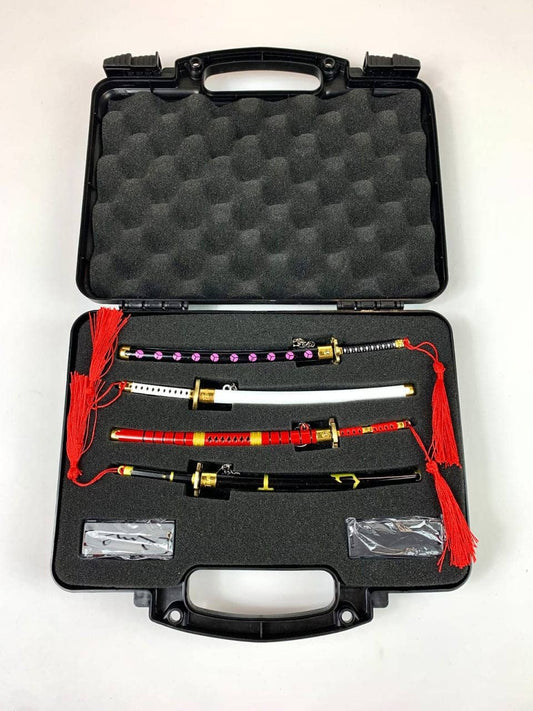


If you've ever wondered why katanas are so prestigious, I invite you to continue reading to discover some of the reasons why these swords are the marvels they are, enduring...
There's something about the katana that captures the imagination and inspires admiration in all who behold it. More than a sword, it's a symbol of art, mastery, culture, and spirituality. Although its time as a weapon on the battlefield is centuries behind us, it remains a revered, coveted, and deeply respected object around the world. Its legacy is marked by its impeccable functionality, its artistic beauty, and its intimate connection to samurai tradition and the values of honor, discipline, and loyalty. Holding a katana in your hands is not just a matter of holding a masterpiece of engineering, but of connecting with centuries of history and the soul of Japan. I invite you to continue reading to explore a little more of what makes these Japanese swords so remarkable. Unique and balanced design The katana's design is a testament to the perfection achieved by Japanese swordsmiths. Its curved blade, created through the "differential hardening" process, is not only aesthetically pleasing but also functional: This method combines a hard edge with a softer spine, achieving a perfect balance between strength and flexibility. The blade's curvature is achieved by rapidly quenching it in water or oil after heating, a change that not only gives it its characteristic shape but also its ability to make clean, precise cuts. The forging technique known as sanmai , which combines three layers of carbon steel, further reinforces the katana's durability. The softer middle layer provides impact resistance, while the harder outer layers ensure an unparalleled edge. This level of detail and technical perfection makes it one of the most effective swords ever made. Work of art and cultural symbol In feudal times, katanas were custom-forged for each samurai, becoming an extension of their spirit. They were not simply combat tools; each katana was unique, with decorations on the hilt, scabbard, and/or blade that reflected the warrior's personality and exploits. These details not only embellished the swords but also imbued them with personal and cultural significance. The katana is also deeply tied to bushido , the samurai code of honor. It was believed that the samurai's soul resided in their sword, and this spiritual bond led to the katana being treated with almost religious respect. It was a symbol of honor, loyalty, and self-control, values that the samurai lived fervently. Even today, the katana remains a symbol of Japanese art. Collectors and lovers of Japanese culture consider it a masterpiece that encapsulates centuries of history and tradition. Legends that fuel their prestige The katana's mystical aura is enriched by the legends surrounding it. One of the best-known stories is that of Susanoo, the god of storms, who slew the giant serpent Yamato-no-Orochi and found in its tail the legendary sword Kusanagi no Tsurugi (Grass-Cutting Sword). This sword became one of Japan's three sacred treasures, representing imperial power and legitimacy. Another legend speaks of swords with magical names and abilities, such as "Celestial-Long-Pointed-Blade" or "Great-Reaper-Blade," which appear in ancient texts such as the Kojiki . These stories reinforce the idea that katanas are not just weapons, but also objects of great spiritual power. Versatility and perfection in combat The katana was the samurai's inseparable companion on the battlefield. Its design allowed for fluid handling, either with one or two hands, and its long handle enabled precise and powerful cutting techniques. Thanks to its lightness and balance, it became an extremely versatile weapon, suitable for both quick fights and prolonged confrontations. It was also a status symbol and was often passed down from generation to generation as a family treasure. This heritage and exclusivity further added to its prestige. Unique features that transcend time Each katana is a testament to the skill and care of master smiths. From its curved blade and ray or shark skin-covered handle to its perfectly crafted wooden scabbard, every detail serves a functional and aesthetic purpose. Blade engravings, such as inscriptions or decorative patterns, not only embellish the sword but also tell stories of the warriors who wielded it. Furthermore, traditional manufacturing techniques, such as the use of bamboo pins to secure the blade to the handle, ensure they are both durable and repairable. These features distinguish them from ordinary swords and reinforce their reputation as perfect weapons. This is why, even though each blacksmith had his own methods, his work and overall design have remained faithful over time. Lasting popularity in the 21st century Today, the katana remains a coveted object for collectors, martial artists, and enthusiasts of Japanese culture. Whether used as a training tool in martial arts such as kendo and iaido, or as a display piece, it maintains its prestige as a cultural icon. The global fascination with katanas has also been fueled by their presence in films, TV series, and video games. In popular culture, they are associated with strong and honorable figures, perpetuating their symbolism as a weapon of power and grace. An eternal legacy The katana is much more than a sword; it's an emblem of history, art, and spirituality. Its unique design, its connection to culture, and the legends surrounding it have made it a timeless object that continues to captivate generations. Owning one is not just a weapon, but also a fragment of rich Japanese tradition. Its prestige, fueled by its beauty and functionality, makes it an eternal symbol of excellence. If you ever dream of holding a piece of history that represents honor, discipline, and mastery, the katana is sure to inspire your admiration and respect. Have you seen our variety of katanas? You can do so here .
Read more
There's a lot of talk about katanas, but have you ever wondered how much of it is true? Here you'll find some of the most common things said about them,...
Katanas have fascinated entire generations, who see them not only as a combat tool, but also as a symbol of honor, tradition, and art. From epic films to anime exploring the samurai code, these swords leave an indelible mark. But what lies behind their mysticism? Are these truly legendary weapons of the past, or has our imagination mythologized them? Let's unravel the myths and truths of katanas, delving into their history and characteristics, so we can fully appreciate this cultural treasure. “The samurai won battles thanks to the effectiveness of their katanas.” Part myth , part truth . The katana is only one part of a samurai's arsenal and not the only reason for success in battle. Strategy, training, discipline, and knowledge of the enemy also played crucial roles in warriors' victories. The katana was undoubtedly a symbol of status and skill, but its effectiveness was related to the warrior who wielded it. “They are the best bladed weapons in a close-range battle.” TRUE . In close-range combat, the katana is effective thanks to its design, which allows for quick and precise cuts. The sword's curve and balance make it highly maneuverable in close-quarters combat, giving it a significant advantage in these situations. “Katanas can cut anything, from stones to the human body.” Myth . Although they are exceptionally sharp swords, katanas are not omnipotent. Cutting a stone can damage the blade, and proper techniques are essential to avoid compromising the sword's integrity. Their design is focused on combat against human opponents and less hard materials, not solid objects like rocks. “Katanas are the sharpest weapons in history.” Myth . While katanas are known for their fine edge, they are not necessarily the sharpest. Other tools and weapons, such as certain kitchen knives, can exceed their sharpness. However, their design and the quality of the forging make them one of the most effective for their purpose. “The price of katanas in the feudal period was high, in keeping with their origin.” TRUE . Ancient katanas were highly valued and considered a symbol of power. Their cost was due not only to the materials used, but also to the blacksmith's knowledge and skill. Owning a well-forged katana could be considered a sign of elevated status in samurai society. “The price of katanas today is high due to their popularity and perfection.” TRUE . The growing interest in Japanese culture and the art of forging has led to today's katanas being considered collectibles and art. This translates into high prices, especially for those well-crafted by artisans who maintain traditional techniques. “Feudal katanas are priceless, and most of them are national treasures of Japan.” TRUE . Most feudal katanas are objects of great historical and cultural value, and have largely been classified as national treasures of Japan. Their significance lies in the fact that they represent a historical moment and an entire people, and their preservation and display are essential to fully appreciate their importance and significance. Some of these katanas have been donated by private collections to museums and the government for safekeeping and preservation for future generations. “Traditional forging techniques involved a ritual” TRUE . The making of a katana is a process that has been considered almost sacred among Japanese blacksmiths. The purification rituals, the choice of steel, and the way each piece is worked are all imbued with symbolism and respect for the process. The artisans, known as "tosho," dedicated their lives to perfecting their skills and bringing sword after sword to life, which gave them an almost divine status. “Feudal katanas are made of higher quality steel than modern ones.” Part myth, part truth . While the steel used by ancient blacksmiths had certain characteristics that made it unique, today we have access to advanced techniques and materials that can surpass traditional steel—in other words, they are simply different. Modern alloys, depending on the type, can offer advantages in durability and wear resistance, although many will appreciate the historical character of antique katana steel. “Katanas were the most prized weapon of the samurai.” TRUE . Without a doubt, katanas were the emblem of the samurai warrior and a symbol of his path. Due to their aesthetics, the quality of their forging, and their functionality, they became an object of veneration. They were even considered the soul of the samurai, representing both their battle strategy and their honor and duty. “Samurai were buried with their katanas.” TRUE . Traditionally, samurai were buried with their katanas as part of their funeral rites. This not only symbolized that they carried their honor and soul with them, but also demonstrated the importance of the sword in their lives. The katana was considered, in many ways, an extension of the samurai himself, and its presence in the grave was a sign of respect and connection to his legacy. Katanas are much more than simple swords; they reflect a rich culture and centuries-old tradition that emphasizes the fusion of art and functionality. This journey through myths and truths seeks to appreciate not only the beauty of their design but also the profound symbolism that surrounds them. When we admire a katana, we encounter the history of a people, their values, and their tireless pursuit of perfection, but also their legends, which often forge myths and stories that can be as fantastical as they are plausible. In the end, katanas teach us that true strength lies in dedication and respect for our path.
Read more
Have you ever wondered how katanas are cleaned? How are they disassembled? How and where should they be displayed or stored? Katanas are works of art in themselves, and caring...
The katana has been much more than a simple weapon: it is a symbol of honor and skill, a tradition that dates back to the samurai era in Japan. Each sword is unique, and its veneration lies not only in its beauty, but also in its functionality and the profound respect it deserves. For those of you privileged enough to own one, it's well known that its aesthetics and meaning go beyond the material, yet this possession comes with a great responsibility. Proper care is an art in itself, so we invite you to discover how to keep your katana in perfect condition, ensuring both its longevity and your safety. Cleaning the Katana To preserve the integrity of a katana, a regular cleaning routine is necessary. If it is used, it is essential to clean it immediately afterward to ensure there are no traces of moisture or dirt that could damage the blade. Otherwise, it is recommended to do so approximately every three months. Ideally, you should use a katana cleaning kit to remove both old oil and any residue from the blade. You can do a superficial cleaning (just the blade) or a thorough cleaning by disassembling the katana. In addition, it is necessary to re-oil the blade after use and, if not in use, at least once a month. To disassemble the katana, unscrew the top of the hammer included in the cleaning kit and use it to push the wooden (or bamboo) pins, resting one end on them and striking the other with the aforementioned hammer. (This tool can be replaced with a small, flat piece to prevent it from digging into the pin and simply pushing it in, and another instrument that can be used to strike it.) Once the two pins are removed, the handle can be removed by pulling it back while using the guard to gently push in the opposite direction, taking care not to catch or touch the blade. The consecutive sections wedged behind the handle can then be removed. To clean it, if there is oil on the blade, first wipe it with a cloth to remove it. Then, using an Uchiko ball, a small bag held by a stick, containing a special powder for gentle polishing and residue removal, begin to gently tap the blade, holding it by the stick, so that the powder spreads throughout. Once it has been spread over the entire blade, take a piece of rice paper (although it can be replaced by some other paper) and pass it over the blade, folded on the part of it that is not sharp, with uniform movements, always from the part of the handle towards the tip. Afterwards, you can oil it. The cleaning kit comes with a special vegetable oil, but other oils can also work, preferably ones that aren't too thin. Place a small amount of this on a microfiber cloth and then spread it over the blade, from the beginning to the tip, using careful movements. You can spread it from the dull area toward the tip, leaving an even, not too heavy layer. To reassemble it, simply replace the parts in the reverse order in which they were removed. The tang (the part that extends from the blade and fits into the handle) must be fully seated to allow the pins to be inserted. Disassembling it allows you to access the entire blade, and with the parts separated, you can see that they are free of dust or other residue. However, while it is necessary to clean it after each use and periodically for maintenance, as well as when oiling it, it is not necessary to disassemble it every time, and the relevant care can be performed on the blade without this need. Humidity can cause rust, while impurities can damage the steel, which is why proper maintenance is so important. It's also essential to make sure you never touch the blade with your hands, as the natural oils in your skin can damage the surface of the sword, and a careless movement can cause deep wounds. It's recommended to always wear gloves and a cotton or silk cloth. On the other hand, cleaning the scabbard, which is generally made of wood or leather, should be done with a dry cloth, avoiding chemicals that could damage the finish. ( Katana Cleaning Set ) Cleaning Kit They usually include: Choji oil or vegetable oil. A ball of uchiko A brass hammer Cleaning cloths (microfiber and rice paper) Some include replacement pins (bamboo or wooden pegs) Location and Storage The place where you store a katana is crucial for its preservation. Ideally, choose a spot away from direct sunlight and without sudden temperature changes. Also, avoid excessive humidity and make sure the environment isn't too dry, and keep it where it's not at risk of falling. It's common to use a vertical stand to display it, or place it on a soft surface, such as cotton cloth, to prevent scratching. If you decide to store it in its scabbard, make sure the blade is completely dry first. It is advisable to always leave the edge facing upwards, so that if any excess oil remains on it, it drains away from it. Caring for a katana isn't just a duty; it's a commitment to its legacy and value. A way to honor the history and craftsmanship behind each blade. By following these precautions, you not only protect your investment, but you also become a custodian of a cultural heritage that deserves to be preserved. Would you like to see our functional katanas? You can do so here . You can also find a video about sword preservation here .
Read more
When did the Katana appear and what happened to it throughout Japanese history? What has been their relevance and purpose throughout the ages and centuries? What uses have they had?...
In a world where the sound of unsheathing swords echoes in the air, the scent of polished steel mingles with the damp earth of a battlefield, and warriors prepare to face their destiny with honor and courage. The katana, a symbol of samurai mastery, is more than just an instrument of war; it's a work of art forged in the heat of tradition. This article reflects on a journey through the history of the katana, and its journey throughout history, from its origins as a combat weapon to its transformation into a symbol of grace and elegance in the martial arts. The Rise of the Katana Its origin is due to centuries of evolution in the art of Japanese fencing. During the Heian period (794-1185), the need for a more effective weapon for close combat led to the creation of this lightweight, double-edged, curved-blade sword designed for close combat. With its distinctive curvature, the result of forging techniques, its elegant design, and a size somewhere between the Tachi (a long, heavy sword used on horseback) and the Uchigatana (a short sword used for on-foot combat), the katana soon became the weapon of choice for Japanese warriors. Over the years, various katana handling techniques, known as Kenjutsu, developed and were practiced in independent schools. During the Muromachi period (15th and 16th centuries), these organized schools began to emerge, where the art of the sword was codified and passed down from generation to generation. The Edo Period: Peace and the Evolution of Martial Arts The Edo period (1603-1868) marked a time of relative peace in Japan, where clan fighting diminished and samurai found a new purpose in life. During this time, the practice of martial arts transformed, moving away from actual combat and becoming a path of self-discovery and discipline. The Tokugawa shogunate imposed restrictions on dueling and open fighting, leading many schools to adapt to the new regulations. While these restrictions could have resulted in stagnation, the reality was different: more than 500 Kenjutsu schools emerged, each with its own approach and philosophy. Kata (" forms " or a series of movements practiced in martial arts) began to play a crucial role in the practice, offering a means to train technique, reflexes, and spirit without the need for actual combat. Thus, having once been an instrument of war, kata began to be seen as an extension of the warrior, where life, death, and art intertwined. The Meiji Restoration and the Modernization of Martial Arts The Meiji Restoration of 1868 brought about drastic changes in Japanese society. As Japan opened up to the West, the figure of the samurai was threatened by modernization and the deployment of firearms. The katana ceased to be a symbol of status and honor, and the samurai lost many of their privileges. Although Kenjutsu had been the backbone of martial arts training, it was necessary to adapt to a rapidly changing world. In this context, the Dai Nippon Butoku Kai was born in 1895, an attempt to modernize martial arts into a format that could coexist with the changes it was undergoing. Japan at that time. Kenjutsu evolved into Kendo—the "way of the sword"—which focused on developing the character and discipline of its practitioners, using a shinai (bamboo sword) for safe training. By 1912, the transformation was definitive, consolidating Kendo as the most widely practiced martial art with the katana. From War to Contemplation: The Katana as Art Following Japan's defeat in World War II, martial arts faced a new challenge. The American occupation led to the banning of government-favored martial arts styles, and many schools were dissolved. The confiscation of citizens' weapons forced many to abandon their katanas, losing them temporarily or permanently. Over time, the katana, once associated with war and nobility, became a decorative object, losing its status as a symbol of the warrior. However, its depth has never completely faded. Today, it is revered both as an art and as a cultural legacy. In Kendo, the katana is more of a tool for meditation and self-discovery than a weapon. What was once a combat instrument has become a vehicle for reflection and personal growth. The Katana and Its Living Legacy The katana's history reflects Japan's historical journey, from battles for supremacy to peace and introspection. While its use as a weapon has faded, its essence lives on in Japanese martial arts and culture. The katana has evolved from a symbol of war to an art form appreciated for its beauty and meaning. As we look to the future, it also reminds us of the importance of tradition and skill, nuances that, despite changes, have endured over time. It's not just a sword; it's a connection to a past where the values of honor and discipline guide every movement of its blade. The katana lives on now as an eternal symbol of the pursuit of perfection and inner peace. If you like katanas, don't miss taking a look here .
Read more
Many sword and katana smiths, as well as forging schools, have left their mark throughout history, so here we'll introduce you to some of them as a brief introduction to...
In the vast and fascinating world of swords, none holds a more revered place than the katana. This sword, an undisputed symbol of samurai culture, is not just a weapon, but a work of art forged with ancient mastery. Since its creation, an aura of mystery and admiration has surrounded its makers, who have left their mark on history through the unparalleled elegance and quality of their creations. In many cases, it is even said that their forging was aided by the gods... In this journey through time, we will explore not only the most famous, such as Masamune and Muramasa, who deserve separate articles, but also other master forgers who have contributed to the richness of this Japanese tradition. Gorō Nyūdō Masamune : Timeless Mastery Let's begin our journey with Masamune, the great master blacksmith of the 13th century, whose legacy endures to this day. This innovator is known for perfecting the art of forging, creating the famous tamahagane, or "jewel steel"/"precious steel." Although the details of his life are shrouded in mystery, the legends surrounding his swords, such as the Honjo Masamune, considered one of the finest ever created, shine brightly, though the lack of signature on his works has caused many to become lost in time. Sengō Muramasa: The Dark Side of the Forge Contrasting with the luminous figure of Masamune is Muramasa, the blacksmith who turned steel into a symbol of doom. His swords, believed by many to be cursed, gained notoriety in legends due to their insatiable thirst for blood. It is said that when Muramasa immersed his swords in a river, they would cut any living thing in their path, while Masamune's refused to do so, letting the blades flow unharmed. This duality of honesty and wickedness in the art of forging adds a fascinating touch of mystery to the history of Japanese swords. However, they were not the only Legendary Masters Fujiwara Kunitsugu This Heian-period swordsmith is renowned for his skill in creating swords that resembled works of art. He based his technique on the Masamune tradition, achieving a near-perfect balance between beauty and functionality. Hikoshirō Sadamune (Sōshū Sadamune) He was a student of Masamune, and is renowned for his ability to produce high-performance katanas. His creations were requested by numerous warriors who valued their exceptional sharpness and precision. Amakuni Yasutsuna A 10th-century master, Yasutsuna is regarded as one of the great innovators, with the first single-edged longsword with a curved blade (tachi) associated with him. His legacy lived on in the way samurai families revered him throughout the centuries. Kanesada Active during the Edo period, the Kanesada school of forging was noted for its strong and durable swords, capable of holding up in battle without losing their shape. Kiyomaro (Yamaura Kuranosuke) Considered one of the finest swordsmiths of the Kamakura period, Kiyomaro forged swords that were prized not only for their functionality but also for their aesthetic design. Nagasone Kotetsu Known initially as Nagasone Okisato, he was born in Sawayama and dedicated himself to sword forging during the Edo period, becoming a master whose works are appreciated for their exceptional sharpness. His swords were famous for their durability and ability to pierce helmets, yet they were said to have been forged so often that he himself could not distinguish them. Shizu Kaneuji and the Kanenobu clan Renowned in the late Edo period, he was a student of Masamune. He and his clan created various types of samurai weapons, including katanas, wakizashis, and spears, which have lasted for over six centuries. They were recognized for their innovative approach, which preserved tradition while incorporating modern elements. Sanjō Kokaji Munechika A swordsmith who shone in the imperial court, Munechika is famous for his ability to create katanas that were not only efficient in combat, but also stunningly beautiful, giving rise to several legends surrounding him and his katanas, such as having received help from a fox deity to forge one of them. Forgers of the Fukuoka Ichimonji School Their name resonates throughout history. Considered among the progenitors of the art of swordsmithing, the members of the Ichimonji school are famous for their well-proportioned and balanced swords, which are still studied today. Tradition in the Present Despite the passing of centuries, sword forging in Japan remains a revered art. Contemporary masters such as Yoshindo Yoshihara, Gassan Sadatoshi, Ono Yoshimitsu, Akitsugu Amata or Masamine Sumitani are a symbol of Japanese blacksmithing heritage. Following the traditions of their ancestors and utilizing ancient techniques, they keep the flame of this sacred art alive. Katanas, more than just weapons, are containers of stories, legends, and feelings. Each one is forged with the spirit of those who fought for justice and glory. Our admiration for these master forgers goes beyond their skill; it invites us to reflect on the value of the traditions and stories that give life to our heritage. In an ever-changing world, the art of katana forging continues to capture the imagination of many, keeping the essence of the samurai alive and constant over time. Who knows how many other enduring stories are yet to be discovered, hidden in the forged steel of these great masters? And how many more will emerge in the future, when those who keep this art alive today are just an echo in history and the 21st century is a distant past? If you like katanas, don't miss the opportunity to see this great variety .
Read more
As a renowned blacksmith, he created many works of art, truly worthy of preservation and remembrance, even if many have been lost or have yet to be recognized. Here you...
Japan's history is steeped in legend and tradition, and at the heart of its rich culture lies a fascinating art: swordsmithing. Among the names that resonate most strongly in the world of katana, that of Gorō Nyūdō Masamune stands out above all others. This prodigious 13th-century blacksmith not only cemented his place in history as a master craftsman, but his swords have become synonymous with beauty, skill, and mystery. The master and his art Masamune, born in the Kamakura period, is considered one of the greatest swordsmiths of all time. His skill was such that his creations crossed borders, and his legacy extended beyond his time. The swords he forged were not simple weapons; they were true works of art. In each blade he managed to merge functionality with aesthetics, offering each samurai a worthy extension of his own soul. One of the most fascinating aspects of Masamune swords is the aura of legend that surrounds them, and while some may have been captivating tales passed down through oral tradition, others have endured through the centuries, defying the passage of time. The Legendary Weapons Among Masamune's swords, some have achieved legendary status. In addition to Honjo Masamune , a katana of breathtaking beauty considered the pinnacle of his work, whose current whereabouts are a mystery, fueling the curiosity of collectors and historians alike, to which we have already dedicated a separate article, over the years, several of his swords have stood out, all of them with rich and intriguing stories: · Fudo Masamune : This sword has a well-documented provenance, being one of the few katanas made and signed by Masamune. Measuring 25 centimeters in length, its design includes carvings and a sculpted dragon, demonstrating the blacksmith's mastery. Its history spans from Toyotomi Hidetsugu to the Tokugawa family, making it a priceless gem. · Musashi Masamune : Considered a national treasure, this katana is another masterpiece from the master. Its connection to the legendary swordsman Miyamoto Musashi adds an air of mystery, as it travels through history into the 21st century, where it was donated to the Society for the Preservation of Japanese Art Swords. Its unique proportions mark Masamune's transition to new forging techniques. · Hōchō Masamune : Three exist, and each of these three, whose design resembles a chef's knife more than a weapon, has been confirmed to have been made by Masamune. One of these blades has two short grooves along its blade and underwent restoration work in 1919. They are now on display at the Tokugawa Art Museum in Aichi Prefecture, revealing another side of the blacksmith's genius. · Kotegiri Masamune : The name of this sword means "kote cutter", and comes from a story according to which Asakura Ujikage used it to cut the kote of another samurai during the Battle of Tōji. Its impressive history and the attention it received from legendary warriors such as Oda Nobunaga, who acquired and shortened it, have made it an object of admiration. · Shimazu Masamune : Recently rediscovered, this sword was authentically identified in 2014 after being lost for 150 years. Received by the imperial family as a gift, its arrival at the Kyoto National Museum represents another link in Masamune's continuing legacy. · Masamune, in Truman's possession : A peculiar story revolves around a sword that came into the hands of U.S. President Harry S. Truman. This historical curiosity reminds us that Masamune's legacy is not limited to Japan, but has also left its mark on world history. The mystery of the past and the future The fascination surrounding Masamune lies not only in his swords, but also in what they represent: the pursuit of knowledge, the maître d' who transcends generations, and the connection between art and life. Gorō Nyūdō Masamune's swords are more than simple weapons: they are poetry forged in steel, lightning bolts that pierce history. Their beauty and the stories that surround them continue to intrigue those who seek to understand Japan's profound legacy. The Honjo Masamune, the most emblematic of all, still remains hidden, almost as if it wishes brave and curious seekers to continue the journey toward its rediscovery, but many others have already found their place, even in various museums, and others have continued to appear over time, transcending their creator. Whether in the hands of collectors, museums, or even hidden away, these swords will continue to inspire and amaze future generations. In the end, Masamune's essence lives on in every glint of the blade; a reminder of the master who, with his art, built an unbreakable bridge between the past and the present. The story of him and his swords is an intricate tapestry of art, warfare, and Japanese culture, inviting all to immerse themselves in its beauty and mystery, as a reminder that, possibly, many more secrets await to be unearthed in the world of swords. Have you seen these katanas yet?
Read more
Katana forging is an art with countless subtle details, and here we discuss many of them, even though we haven't been able to achieve the depth they deserve.
Every blow of the hammer, every curve of the blade, and every final polish was filled with purpose, patience, and dedication—essential elements that give the katana its legendary quality. Here we'll explore every step of its creation, from its component parts to the engraved details that give it its unique character. Parts of the Katana These swords are a masterpiece that integrates engineering and art, where each part has both a specific function and symbolic meaning. · Blade (Ha): This is the core, the edge that defines its cutting ability. It is characterized by its curved shape, a result of the technique implemented for its creation, and designed to maximize efficiency in attack. · Mune: The spine of the blade, opposite the edge, whose rigidity adds structural strength to the sword. · Hamon: This is the tempering line that runs along the edge of the blade. In addition to being functional, since it corresponds to the differentiated hardening of the blade, making it more resistant to impact with hard surfaces and giving it a sharper edge, it is also often decorative and reflects the blacksmith's technique. · Nakago: The tang of the blade that is inserted into the handle. The blacksmith's signature is often engraved here, leaving a mark on their craft. · Tsuba: The guard, located between the handle and the blade, protects the wielder's hand, keeping it away from the edge. It can be simple or richly decorated with symbolic motifs. · Tsuka: The handle, usually wrapped in leather or silk, provides a firm grip when wielding it. · Saya: The wooden sheath that protects the blade, insulating it to allow it to be carried easily, and is usually lacquered with decorative designs. · Kojiri: The lower end of the saya, which often includes metal embellishments. Metal formula to create it The steel used in katanas, known as tamahagane , is unique and essential to their quality. It is made in a traditional furnace called tatara , where carbon-rich iron sand is melted with charcoal at high temperatures. This process produces two types of steel: one harder and more brittle, and the other softer and more flexible. Each Blacksmith has his own “perfect” combination to obtain them. Hard steel is used to create the edge, as it holds its sharpness better, while soft steel is used for the blade's core, providing flexibility to prevent the sword from breaking in combat. Combining both types through a folding and forging process creates an exceptionally strong and functional material. The art of working steel Steelworking is the heart of the katana creation process and the moment when the blacksmith imprints his spirit on the sword. For this reason, many prepared themselves physically, mentally, and spiritually before beginning the process, transferring their own energy and willpower into the work. After obtaining the tamahagane , the blacksmith heats it red-hot and hammers it repeatedly, folding it back on itself, it is said, thousands of times. This process removes impurities and evenly distributes the carbon, strengthening the blade's structure. Once the blade is formed, it is tempered, a crucial stage that determines its strength and flexibility. A clay mixture is applied to the blade, leaving the edge covered with a thinner layer. It is then heated and rapidly cooled in water. This thermal shock creates the tempering line ( hamon ), which not only provides strength and contributes to its sharpness, but also becomes the smith's artistic signature and a distinguishing feature among katanas. It is during tempering that the success or failure of the work performed is determined, highlighting any errors in forging or tempering. If such an error occurs, the blade would be useless, and they would have to start over. Polishing the blade It's not simply a cosmetic finish; it's a long and detailed process that can take weeks and enhances both the functionality and beauty of the sword. A master honer ( togishi ) uses a series of whetstones of varying coarseness to remove imperfections from the blade and hone its edge. The goal is not only to sharpen it but to reveal the hamon , the tempering line, and other unique details, such as the internal textures of the steel ( hada ). This step is considered an art in itself, as each katana has unique characteristics with a personalized approach. Engraved details They are not mere ornaments, but elements full of symbolism and meaning. On the nakago (tang), the blacksmith often engraves his name or an inscription that reflects his style and heritage. These engravings are a way to ensure the sword's authenticity and honor its creator. Others, called horimono , may include religious motifs, sacred animals, or mythological figures, such as dragons or cherry blossoms, designs that both beautify the woman and reinforce her spiritual connection; for example, a dragon symbolizes strength and protection, while a cherry blossom evokes the ephemeral beauty of life. Even the design of the tsuba (guard) and saya (scabbard) is often laden with meaning. Samurai customized these parts according to their beliefs and values, creating katanas that were both faithful weapons and extensions of their identity. Works of art and spirituality The creation of a katana is not simply an act of making, but a spiritual and artistic process that reflects centuries of tradition, mastery, and devotion. Each one is unique, not only because of its design and materials, but also because of the energy and soul the blacksmith imbues into it. From the formula of its metals to the engraved details, to the art of working the steel and polishing the blade, the katana is a testament to human skill and a profound respect for the harmony between functionality and beauty. To delve into its creation is to immerse oneself in a history of spirituality, honor, and excellence that continues to fascinate the world and perpetuate the legacy of the great Japanese master blacksmiths.
Read more
The work of a katana forger is a work of art destined to possess a spirit all its own. Here, we invite you to meet one of them, a renowned...
Imagine a time when steel came alive under the hands of a master, where each blow of the hammer resonated like a symphony, and every sword was more than a simple tool; it was a masterpiece, charged with meaning and mystique. Such is the fascinating world of Gorō Nyūdō Masamune, one of the greatest blacksmiths who ever lived, whose name resonates to this day throughout the centuries. The Birth of a Legend Gorō Nyūdō Masamune, a name that evokes both awe and mystery, was born in Sagami Province around 1264, during a turbulent period in Japanese history. The samurai, those warriors of honor, needed weapons that reflected their status and it was precisely in that context that Masamune emerged as an essential figure in katana forging. He learned his craft from another master, Shintogo Kunimitsu, and eventually became a pioneer of the steel refining method that has been the foundation of the Japanese sword. The process of creating katanas required not only skill but also a deep understanding of metals. Masamune mastered the art of combining layers of steel of varying hardness, allowing him to create swords that were both resilient and lethal. So impressive were his creations that Honjo Masamune, arguably his most celebrated work, became a symbol of national pride, held in reverence throughout the centuries and remaining in the minds and hearts of the Japanese even after his disappearance, his name being recognized today throughout the world. The Secret of His Success Masamune's forging wasn't simply a technique; it was an almost sacred ritual. With each sword, Masamune forged the history and identity of a nation. In a context where the threat of Mongol invaders loomed over Japan, his katanas became crucial tools for survival. Using intensively worked carbon steel, he employed innovative tempering methods to ensure each blade not only cut but also stood the test of time and war. Given the difficulty of their work, the results were astonishing. Each finished katana shone with a hamon line, a vivid pattern that reflected not only the beauty but also the mastery behind its design. Due to his methodical care, Masamune's blades were renowned for their sharpness, durability, and exceptional cutting ability, making his swords objects of admiration and respect. An Immortal Legacy The greatest of master blacksmiths, Masamune forged his legacy in the heart of Japan, and his influence lives on in modern artisans who follow his teachings. In honor of his skill, the Masamune Prize is now awarded to the most outstanding blacksmiths in a prestigious competition, underscoring the indelible mark he left on the history of Japanese craftsmanship. What makes Masamune's figure even more fascinating are the numerous stories and mythologies surrounding him. Although little is known about his personal life, his genius as a forger has given rise to a series of legends that have fueled the imagination of generations. His ability to use steel in an almost magical way suggests a mysticism that surrounds him, turning him into an icon not only of forging, but also of Japanese culture as a whole. The Mystery of His Work Today, many of the katanas he created have been lost to time, but the stories about them live on. His work has been catalogued in compendiums such as the Kyōho Meibutsu Chō, which praise the achievements of Masamune and his disciples. It is a reminder that, even as time erases the traces of the past, the essence of his art endures. The legacy of Gorō Nyūdō Masamune continues to fascinate those seeking to understand the complexity of samurai tradition and the beauty of katanas. Each sword tells a key story, a connection to a time when skill and honor were inseparable. And we can say that this curiosity about Masamune's history should not be left behind; his life and work deserve to be explored in depth. An Infinite Journey Gorō Nyūdō Masamune is remembered not only as a master blacksmith, but as a symbol of art and honor. His legacy invites us to immerse ourselves in the rich traditions of medieval Japan and discover the wonders that still resonate in the steel of his katanas. In his forging, we find not just a weapon, but a story that reminds us of the value of dedication and human ingenuity. Thus, Masamune's essence lives on, and each new discovery about his life and art captures our imagination, reminding us that some legends never die. If you like Katanas, don't forget to check out the ones in our Online Store here .
Read more
From the legendary Honjo Masamune to the evocative Kusanagi no Tsurugi, katanas are given names that resonate with the power of their history and the artistry of their makers, becoming...
In the vast and mysterious, millennia-old tradition of katanas, revered Japanese swords, each name is much more than a simple label, encapsulating stories of heroes, legends, and masterful craftsmanship, becoming tales woven with threads of honor, tradition, and power. Some are named after their forgers, a tribute to the mastery of the artisans who shaped each blade with pinpoint precision and unparalleled passion. Others evoke their unique characteristics, such as the curvature of a blade or a steel pattern that dazzles with its timeless beauty. These are names that bring to life the very essence of each sword, revealing its uniqueness and the skill behind it, inspiring respect and admiration, transmitting the legacy of bygone eras through sharpened steel. Like each name, each katana is unique; a fragment of Japan's rich culture, where tradition is intertwined with legend and skill. These swords are not just weapons, but symbols of a tradition that transcends time and space, keeping alive the flame of dedication and honor. It is their names that help to imprint them in the memories of thousands, leaving a lasting mark. In each story told through the centuries, we find a legacy of emotion, respect, and admiration, which continues to bear silent witness to a glorious past and a present of mystery and charm. Katanas, especially those of great historical or artistic value, often have specific names. Here you can discover their names and what some of them mean. However, it's important to note that these "categories" are not mutually exclusive, nor do they reflect the true complexity of these concepts. Named after Historical Figures Some are named after people, given to them for historical or cultural reasons, and are usually associated either with the blacksmiths who forged them, in recognition of their good work, or with important figures in Japanese history who owned or used them. Examples: Honjo Masamune is named after its creator, Masamune Goro, a renowned blacksmith in Japanese history, and one of its owners, Shigenaga Honjo, associating the mastery of the forger, recognized as one of his finest creations, with the history of its wearer. Tachiwaki , another famous katana renowned for its exceptional craftsmanship, named after its creator. Named by Features They can also be named based on some of their characteristics, from visual aesthetics to their qualities. Example: Kogarasu Maru , considered a masterpiece of Japanese forging, is characterized by its short blade and distinctive curvature. It is said that its name comes from Karasabi, which may be due to its similarity to a Korean sword, Kara being "Korea" and sabi , by its etymological origin, "sharp tool", or because akara-sami means "bright and shiny blade", becoming karasabi , abbreviated karasa , and karasu over time, adding the syllable ko to obtain kogarasa , "small shiny blade". Named for Historical Events and Legends Other katanas have names related to historical events or legends. For example, a sword used by a famous samurai or in a significant battle may bear the name of that person or event. Examples: Kusanagi noTsurugi . Originally known as Ama no Murakumo no Tsurugi, "Heavenly Sword of the Gathering Clouds", it was more commonly known as Kusanagi-no-Tsurugi, "Grass-Cuttering Sword" due to a legend where Prince Yamato Takeru, while on a hunting expedition, was trapped by a warlord who set fire to the grassland and killed his horse to prevent him from escaping. Takeru used the sword Ama no Murakumo no Tsurugi to cut the grass, reducing the fuel for the fire, and in doing so, discovered that the sword could control the wind, using it to direct the flames towards the warlord and his men, defeating them. In honor of this victory, Takeru renamed the sword. Dojigiri , forged by the famous blacksmith Hoki Yasutsuna, is now in the Tokyo National Museum after passing through several clans. Minamoto Yorimitsu is said to have slain the monster Shuten Doji with it; hence its name, which means Doji cutter. Juzumaru , forged by Aoe Tsunetsugu, is located at the Honkoji temple in Amagasaki, after belonging to the prophet monk Nichiren and the Kounji temple. It is said that Nichiren adorned the katana with a rosary to ward off evil spirits, hence its name, which means "rosary." Named by Tradition In Japanese culture, the act of naming a katana can be related to rituals or traditions. For example, it may be given an auspicious or meaningful name to symbolize hope for victory or protection. Of Eras or Schools There are different schools of forging in Japan, each with its own techniques and styles. Katanas can be named after or after the schools they belong to. Compound Nouns While we have mentioned some ways in which katana names can be superficially classified, many times these names can cover more than one category, or more than one motif. Example: Honjo Masamune , named after two different historical figures related to her. Mikazuki Munechika , created by Sanjo Munechika, a renowned blacksmith at the imperial court during the Heian period, famous for his ability to create katanas that were as efficient in combat as they were stunningly beautiful. He was so fond of the sword that he named it after himself, along with the term mikazuki , which means "crescent moon," because the marks left in the metal during the tempering process resembled crescent moons. Each name, each story, is a fragment of the rich Japanese culture, and while we have tried to simplify this tradition of naming them here, grouping the reasons why their respective names are selected in a broad and generic way, it is necessary to keep in mind that this choice always has a profound value and meaning, both for those who baptized them and for the sword itself, which was granted greater depth, comparable to granting it a spirit of its own in such an act. Would you like to know the katanas in our store ?
Read more
