


América
Astronomical Knowledge of the Mayans: Predictions, Calculations, and Meanings
Systematic Sky ObservationThe Mayan civilization, which flourished from approximately 2000 BCE to the 16th century, d...




Yuji Itadori (Jujutsu Kaisen) and Naruto Uzumaki (Naruto) represent two approaches to the young hero in modern shonen anime. While Naruto strives for recognition and belonging as the future Hokage,...
Over decades, manga and anime have developed complex narrative archetypes that reflect social, emotional, and ethical conflicts. Yuji Itadori (Jujutsu Kaisen) and Naruto Uzumaki (Naruto) represent two distinct approaches to the concept of the youthful hero within modern shonen. Although they belong to very different narrative universes, both characters allow us to analyze how anime addresses identity, responsibility, and the construction of the hero in adverse contexts. Narrative Context and Initial Situation Naruto Uzumaki grows up in the Hidden Leaf Village as the unwitting bearer of the Kyūbi, a creature responsible for a collective tragedy. This fact makes him an uncomfortable element for his community, conditioning his social development from childhood. In contrast, Yuji Itadori begins his story as an ordinary student with a strong personal ethic, close family ties, and companions with whom he shares a certain friendship, as he could be considered slightly popular, who is dragged into the world of curses after ingesting a forbidden object. While Naruto is born into conflict, Yuji enters it due to his own choices. Training and Authority Models Naruto's learning occurs within a traditional hierarchical structure. Kakashi Hatake acts as a tactical and emotional instructor, prioritizing teamwork and progressive discipline. In Yuji's case, Satoru Gojo represents a disruptive figure within the sorcerer system, openly questioning established norms. This difference reflects two opposing educational models: one institutional and the other critical, both fundamental to understanding the evolution of each protagonist. Motivations and Personal Goals Naruto defines his path based on a political and social goal: to become Hokage. This objective symbolizes recognition, stability, and belonging. Yuji, on the other hand, does not pursue a position or status; his motivation revolves around the value of a “proper death,” a concept introduced by his grandfather and developed throughout the series. This divergence marks a key difference in the philosophy of both stories: one oriented towards the collective future, the other towards the individual meaning of existence. Conflict Management and Confrontation with the Enemy Naruto adopts a dialogical approach to his antagonists. Characters like Pain or Sasuke function as ideological mirrors, allowing for debates on hatred, war, and revenge. Yuji faces entities that embody distorted human emotions, such as fear or resentment. In his case, conflict is not resolved through persuasion, but through the acceptance of irreversible decisions, which adds a more tragic tone to the narrative. Interpersonal Relationships and Group Dynamics Team 7 in Naruto represents a classic structure of shared growth, where internal conflict is as important as external conflict. In Jujutsu Kaisen, the group formed by Yuji, Megumi, and Nobara functions as a flexible operational unit, less hierarchical and more pragmatic. Both models reflect different forms of cooperation within contemporary shonen anime. Cultural Significance of Heroism Naruto Uzumaki symbolizes the ideal of constant effort within a structured society. Yuji Itadori, for his part, represents a more modern vision of the hero: aware of limits, sacrifice, and moral ambiguity. Together, they offer a complementary vision of how anime explores personal growth in extreme contexts, without resorting to repetitive formulas. However, the differences are not only given in the approach to the protagonist's development and motivation but also in the direction their own stories take. While Naruto is aimed at a younger audience, where moral problems and philosophical analyses are shown in an insinuated and even direct but sometimes simplified way, and redemption and forgiveness are presented as a conscious, sporadic, and even simple fact in their long-term consequences, Jujutsu Kaisen focuses on a slightly older audience, teenagers approaching adulthood. Thus showing a more mature perspective, more focused without being direct, and with a darker touch, where the characters' philosophy constantly questions right and wrong, and even the best intentions can lead to catastrophic consequences, and redemption is not always possible in life, even for those motivated by reasons that could not be fully condemned as selfish or “evil.” It is often said that the age of the characters often tries to coincide with that of their target audience for better identification with the protagonists. And if this applies to this case, it can be noted that, although the difference is slight, it does mark a significant stage, since while Naruto is around 12 years old, Yuji is around 15, and that small age gap can make a big difference in the perception of the world.
Read more
Dragon Ball villains have been key to the construction of the saga and the development of its heroes. From primeval demons and galactic tyrants to gods and cosmic threats, each...
From its inception, Dragon Ball has used its villains as narrative engines that drive the evolution of its characters and the universe itself. Each antagonist introduces a distinct threat: some jeopardize the survival of the planet, others question the cosmic order, and several force the heroes to rethink their identity and limits. Far from being mere obstacles, these enemies define entire stages of the saga and mark irreversible changes in the story. Below, we will take a look at the most memorable villains of the saga, so far. King Piccolo King Piccolo embodies primal evil in Dragon Ball. As a demon released after centuries of confinement, he rules through terror and the systematic destruction of martial arts. His obsession with the Dragon Balls and his absolute disregard for human life make him one of the darkest villains in the classic series. Piccolo Junior Born as King Piccolo's direct reincarnation, Piccolo Junior inherits his hatred, but also his strategic intelligence. Over time, his transformation into Earth's protector and Gohan's mentor—and essentially father figure—makes him one of the strongest examples of redemption within the franchise. Vegeta Vegeta begins as a ruthless conqueror, raised under the law of power and Saiyan supremacy. His evolution is gradual and complex: pride, rivalry with Goku, and his life on Earth lead him to redefine his concept of strength, honor, and family. Frieza Frieza represents absolute tyranny. Ruler of a galactic empire based on fear, he enjoys the suffering of others and the humiliation of his enemies. His cruelty and his role in the destruction of Planet Vegeta make him a central figure in the Saiyan mythos. Nappa An elite Saiyan warrior and brutal general, he symbolizes the pure violence of his race. His devastating attack on Earth marks the first major clash against an unstoppable extraterrestrial threat. Captain Ginyu Leader of Frieza's elite squad, he possesses the ability to swap bodies, endangering his enemies' identity and power beyond physical combat. Cell Cell is the threat of artificial perfection. Created from the cells of the most powerful warriors, his goal is to demonstrate his absolute superiority. His arc explores the obsession with evolution and the danger of science without moral limits. Majin Buu Majin Buu introduces an unpredictable kind of terror. His magical nature makes him almost indestructible, and his childlike behavior contrasts with his capacity for annihilation. Each transformation reveals a different facet of pure chaos. Kid Buu Kid Buu is the wildest version of Majin Buu. He lacks logic, empathy, or ambition: he destroys on impulse. This simplicity makes him especially dangerous and difficult to stop. Beerus Beerus does not seek to conquer or destroy out of malice, but to fulfill his function as a god of destruction. His presence redefines the scale of power in Dragon Ball, showing that even classic villains are insignificant compared to the cosmic order. Zamasu / Goku Black Zamasu represents fanaticism elevated to a divine ideology. His contempt for mortals and his appropriation of Goku's body lead to one of the most philosophical conflicts in the saga, centered on justice, power, and moral corruption. Broly Broly is unleashed force. His power grows uncontrollably, driven by deep trauma and uncontrollable rage. He acts not out of ambition, but instinct, which makes him a threat as tragic as it is devastating. Moro Moro introduces an archaic type of villain. His ability to absorb life energy and his connection to magic differentiate him from technological antagonists, bringing back a sense of ancestral danger to the saga. Baby Baby symbolizes the revenge of an exterminated civilization. As a parasite, he takes control of bodies and turns allies into enemies, exploring the fear of identity loss and absolute domination. Omega Shenron Born from the misuse of the Dragon Balls, Omega Shenron is the direct consequence of irresponsible wishes. His existence raises a critique of the constant use of power without assuming its consequences. Android 17 and Android 18 Designed as weapons, the androids challenge the idea of humanity. Their subsequent evolution into characters with free will demonstrates that even villains created to kill can redefine their destiny. They also open a debate about what defines a human being as such. Garlic Jr. Garlic Jr. represents the archetype of the immortal demon. His quest for revenge and his desire for eternal power make him a persistent threat, despite his smaller scale. Dabura As king of the Demon Realm, Dabura brings an infernal aesthetic and direct brutality. His loyalty to Babidi and his petrifying power reinforce his intimidating aura. Pilaf Pilaf introduces the comical, yet fundamental, villain. His obsession with world domination and his role in the origin of the search for the Dragon Balls make him a historic figure within the series. Mercenary Tao Mercenary Tao is the ultimate assassin. His coldness and efficiency mark a before and after in the tone of the series, demonstrating that death can be a real threat. Omega Shenron Omega Shenron, the One-Star Dragon, leads the Shadow Dragons and embodies the ultimate corruption of the Dragon Balls, rising as the final enemy of Dragon Ball GT. Raditz Raditz introduces Goku's extraterrestrial past. His appearance shatters the initial innocence of the series and opens the door to the Saiyan saga and galactic conflict. Dr. Gero Dr. Gero represents scientific vengeance. His obsession with defeating Goku gives rise to some of the saga's most dangerous enemies, combining intelligence, resentment, and technology. Dragon Ball's gallery of villains reflects the evolution of the series itself: from earthly threats to divine and existential conflicts. Each antagonist presents a different type of challenge—physical, moral, or ideological—forcing the heroes to transform to survive. Beyond combat, these villains build the background that has allowed Akira Toriyama's work to remain relevant and expand for decades.
Read more
The creatures of Stranger Things, from the Demogorgon to Vecna, combine classic eighties horror and science fiction.Each monster symbolizes fears, traumas, and growing threats in Hawkins, evolving alongside the protagonists....
One of the great appeals of Stranger Things is its gallery of supernatural creatures, beings emerging from the Upside Down that combine classic horror, science fiction, and direct references to 1980s cinema. Beyond the visual scare, these monsters represent deep fears, personal traumas, and threats that evolve alongside the protagonists. Throughout the seasons, the series has built its own bestiary that is now part of popular culture, and here we present the main creatures that are part of it. The Demogorgon: The First Horror The Demogorgon was the first creature audiences met and the initial symbol of the series' horror. Humanoid, predatory, and lethal, its design blends animalistic features with an iconic flower-like gaping mouth. In the first season, this monster acts as a nearly savage hunter, abducting people and connecting the real world with the Upside Down. It represents the fear of the unknown and the characters' vulnerability in their early stages. The Mind Flayer: A Hive Mind In the second and third seasons, the Mind Flayer appears, a much more complex and threatening entity. Unlike the Demogorgon, it doesn't act merely as a beast, but as an intelligence that controls other creatures and people. Its ability to possess Will Byers and manipulate the residents of Hawkins introduces a deeper psychological terror. The Mind Flayer symbolizes loss of control and the fear of being dominated by invisible forces. The Demodogs: The Evolution of Danger Demodogs are juvenile versions of the Demogorgon, creatures that show how the Upside Down is a constantly expanding ecosystem. Their presence reinforces the idea that the threat is not isolated but growing. Being more numerous and acting in groups, they create a constant sense of siege and escalate narrative tension during the second season. The Meat Monster: Body Horror In the third season, the series introduces one of its most disturbing creatures: the meat monster, also called Flayed. Formed from human bodies controlled by the Mind Flayer, this being leans into body horror and physical deformation. It's an extreme representation of dehumanization and one of the darkest examples of how Stranger Things combines visual horror with emotional drama. Vecna: The Ultimate Villain The fourth season introduces Vecna, the most complex and symbolic creature yet. Unlike other monsters, Vecna possesses an identity, a human past, and clear motivation. He attacks his victims by exploiting their traumas, guilt, and fears, becoming a psychological threat before a physical one. His design is reminiscent of classic horror cinema, but his narrative function elevates the series to a more mature and reflective horror. Minor Creatures and Latent Threats In addition to the main antagonists, Stranger Things has featured secondary creatures, such as the Demobats, mutant bats that serve as Vecna's eyes and ears, attacking in swarms with sharp teeth and tails; the living vines that make up the vegetation of the Upside Down, connecting everything and manipulated by Vecna; as well as parasitic presences. These life forms reinforce the feeling that the alternate world is alive and constantly adapting, increasing the perception of permanent danger. The Meaning of the Monsters The creatures of Stranger Things are not just enemies to be defeated. Each one reflects an emotional stage of the characters and the series itself. From childhood fear to forced growth, through trauma, loss, and guilt, the monsters function as metaphors for pain and maturity. Ultimately, the success of Stranger Things cannot be understood without its imagery of creatures. These beings have defined the tone of the series, evolved with the story, and transformed the Upside Down into one of the most recognizable universes in current television horror.
Read more
The protagonists of Stranger Things are one of the keys to the series' success.Beyond horror and science fiction, its characters evolve emotionally season after season, addressing themes such as identity,...
Since its premiere on Netflix, Stranger Things has become one of the most influential series on television today, not only for its eighties setting or its mix of science fiction and horror, but for the strength of its protagonists. Throughout its seasons, the characters have evolved remarkably, growing emotionally alongside the audience, and below we will tell you a little about each of them. Eleven: identity, trauma, and power Eleven is, without a doubt, the central axis of Stranger Things. Introduced as a girl with psychic powers and a past marked by experiments at Hawkins Lab, her evolution is one of the deepest in the series. In the first seasons, her character is introverted and defensive, conditioned by trauma and isolation. Over time, Eleven begins a search for personal identity, learning to relate, to love, and to confront her fears. In the fourth season, her arc focuses on internal conflict, emotional pain, and the reconstruction of her self-esteem, demonstrating that her true power does not reside only in the supernatural. Mike Wheeler: leadership and emotional maturity Mike Wheeler starts as the typical group leader, impulsive but loyal. His relationship with Eleven defines much of his development, confronting him with difficult decisions and the need to mature emotionally. Throughout the seasons, Mike learns that leading does not mean controlling, but understanding and supporting. His evolution reflects the dilemmas of adolescence, insecurity, and the fear of losing those he loves, becoming a more reflective and empathetic character. Dustin Henderson: charisma and intelligence Dustin brings humor, but also heart. From the beginning, he stands out for his intelligence, his scientific curiosity, and his optimism. Unlike other characters, his evolution is not dark, but emotional: he learns to accept rejection, friendship, and loss. Relationships like the one he has with Steve Harrington reinforce his growth, showing that affection and loyalty can arise in the most unexpected places. Lucas Sinclair: realism and bravery Lucas is one of the most realistic characters in Stranger Things. Distrustful at first, his analytical character allows him to question what others accept without thinking. His evolution focuses on moral conflict, especially when he must choose between fitting in socially or remaining true to his values. In the last seasons, Lucas demonstrates great emotional courage, facing tough decisions and traumatic situations with surprising maturity. Max Mayfield: grief and resilience The arrival of Max adds a new dimension to the series. Strong, independent, and sarcastic, her evolution becomes especially intense when dealing with themes such as grief, guilt, and depression. Her arc in the fourth season is one of the most acclaimed, addressing mental health with sensitivity and depth. Max represents the internal struggle against one's own demons, both real and metaphorical. Steve Harrington: redemption and growth Steve is the perfect example of character redemption. From a superficial antagonist, he becomes one of the emotional pillars of the series. His evolution shows responsibility, sacrifice, and an unexpected protective vocation, especially with the younger ones. His charisma and humanity have made him one of the most beloved characters by fans. What stands out in Stranger Things: a cast that grows with the series The protagonists of Stranger Things stand out because they grow with the story. Each season delves into their psychology, showing that true terror does not always come from the Upside Down, but from human emotions: fear, loss, and love. Thanks to this character development, Stranger Things has managed to transcend the genre and establish itself as a generational series.
Read more
One Piece is much more than a pirate story: it is an adventure full of dreams, justice, friendship and unforgettable battles. This article reviews the most important characters in the...
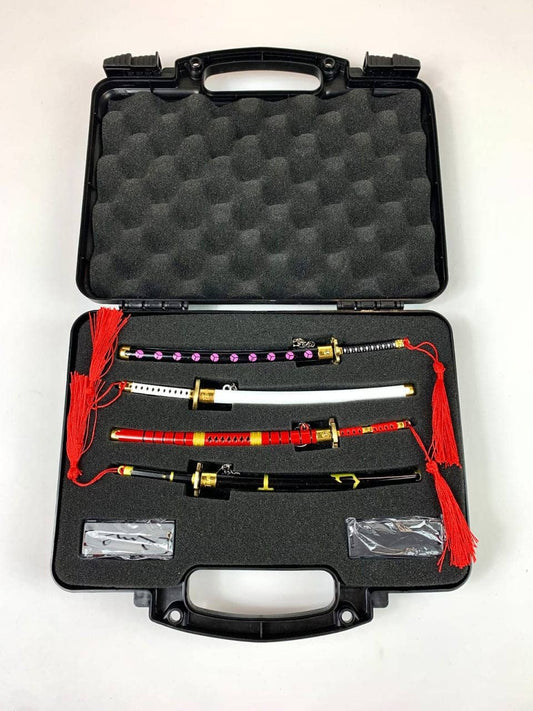
The characters of One Piece are the soul of the series: brave heroes, legendary pirates, imposing villains, and endearing allies. This article reviews the main protagonists and most prominent characters, from Luffy and his crew to the Marines, the World Government and the Yonko, to understand how each one left their mark on the great adventure created by Eiichiro Oda. Luffy's crew If we're going to list the most prominent characters, we can't leave out, of course, the Straw Hat crew, the protagonists of this story. However, if you want to get to know them a little better, you can also check out " The Straw Hat Crew: The Most Iconic Pirates of One Piece ." Monkey D. Luffy The young captain of the Straw Hat Pirates, who possesses elasticity thanks to the Gomu Gomu no Mi Devil Fruit and dreams of becoming the King of the Pirates. Roronoa Zoro The crew's swordsman, an expert in the three-sword style (Santoryu), and determined to become the world's best swordsman. You can also check out " Zoro's Skills as a One Piece Swordsman " to learn more about him. Nami Straw Hat navigator. An expert in maps, meteorology, and treasure, with a dream of drawing a complete map of the world. Usopp The group's sniper. A compulsive liar, but deep down, his dream is to become a renowned sea warrior. Sanji The crew's cook, a master of kicks, chivalrous with women, haunted by his family's past and with a dream of finding the All Blue. Tony Tony Chopper Reno, who, after eating the Human-Human Fruit, can speak and transform. He is the crew's doctor and wishes to cure any illness. Nico Robin An archaeologist capable of reading Poneglyphs. She has a tragic past and dreams of uncovering the truth about the Void Century. Franky A carpenter and cyborg, this former cyborg pirate built the Thousand Sunny. His dream is to build the ultimate ship for his crew. Brook Skeleton musician, revived thanks to the Yomi Yomi no Mi. A joker, swordsman, and with the desire to reunite with his old whale friend Laboon. Jinbe Fish-man and helmsman of the crew. Former member of the Seven Warriors of the Sea, who dreams of equality between humans and fish-men. Allies and Notable Supporting Characters Portgas D. Ace Luffy's brother, user of the Mera Mera no Mi. He is a key character in the saga, symbolizing sacrifice, legacy, and brotherhood. Sabo Brother of Luffy and Ace. An impromptu revolutionary, with great courage and shared dreams since childhood. Boa Hancock Empress of the Amazons and former Shichibukai. Beautiful and powerful, occasional ally of Luffy. Trafalgar D. Water Law Captain of the Heart Pirates. A cunning surgeon of death, a strategic ally of Luffy, with a past marked by tragedy. Vivi Nefertari Princess of the kingdom of Alabasta and friend of the Straw Hats. Brave and determined to save her country. Yamato A new but unforgettable figure, with strong ideals and a direct connection to the great pirates and the Wano saga. Great pirates and Yonko Shanks One of the Four Emperors, Luffy's mentor and a symbol of freedom at sea. Edward Newgate (Whitebeard) "The strongest man in the world." Powerful pirate with great influence and legacy. Marshall D. Teach (Blackbeard) Ambitious, manipulative, and lethal. He represents the ultimate pirate threat. Charlotte Linlin (Big Mom) Empress matriarch. She has many facets and powerful subordinates, and is a great pirate antagonist. Kaido Another enormous Emperor, strong and almost indestructible. He represents one of the greatest challenges for the protagonists. Navy and World Government Monkey D. Garp Legendary vice admiral and Luffy's grandfather. A symbol of duty and inner conflict. Sengoku Former Fleet Admiral, strategic mastermind of the Navy and represents world authority. Sakazuki (Akainu) Current Fleet Admiral, relentless, defender of “absolute justice”. Borsalino (Kizaru) Admiral with light powers. Sarcastic and lethal. Kuzan (Aokiji) Former admiral, with the power of ice. A symbol of change when the Navy wasn't so rigid. Smoker Navy Captain, tireless pirate hunter. Smoker and user of a Logia-type Devil Fruit that allows him to generate and manipulate smoke. Tashigi Smoker's lieutenant, idealist, expert swordswoman, and symbolizes personal justice. Memorable villains and antagonists Crocodile A ruthless former Shichibukai with sand manipulation and scheming abilities. Antagonist of the Alabasta arc. Donquixote Doflamingo Manipulative and cruel, with a web of deceit, he controls Dressrosa and the strings of power. In it Self-proclaimed god of Skypiea, with electrical powers, an excessive ego, and divine ambition. Rob Lucci Member of CP0/CP9, lethal agent of the World Government and specialist in elite combat. Buggy the Clown From comedy to unexpected power, he displays a surprising evolution. Antagonist who becomes an influential pirate. One Piece is a work that unites pirates, justice, dreams and friendship in an unforgettable adventure. Every hero, ally, or villain leaves their mark on this vast world created by Eiichirō Oda. Whether you're a fan of manga, anime, or live-action, you're sure to find plenty of eye-catching characters. Which ones are your favorites?
Read more
The Marvel universe is full of iconic superheroes that have marked generations. From Spider-Man and Iron Man to Luke Cage and Ms. Marvel, each hero combines extraordinary powers, courage, and...
The Marvel universe has created iconic superheroes that combine extraordinary powers with values such as courage and justice. From Spider-Man to Luke Cage, these heroes inspire generations through comics, movies, and animated series, leaving an indelible cultural legacy. Spider-Man (Peter Parker) – He is a young hero who fights crime in New York with agility, superhuman strength and his spider-sense, standing out for his wit, bravery and unmistakable humor. Iron Man (Tony Stark) – Genius, millionaire and inventor, leader of the Avengers, symbol of advanced technology and combat strategy. Captain America (Steve Rogers) – Symbol of justice, freedom and unwavering morality, a benchmark of leadership and sacrifice. Thor – God of thunder, supernatural force and wielder of the hammer Mjolnir, defender of Asgard and Earth. Hulk (Bruce Banner) – Immense power and struggle between humanity and anger, hero with colossal strength and emotional vulnerability. Black Widow (Natasha Romanoff) – Expert spy, skilled in hand-to-hand combat and strategy, excelling in secret missions and espionage. Doctor Strange (Stephen Strange) – Master of the mystic arts and protector of reality, capable of manipulating time and dimensions. Black Panther (T'Challa) – King of Wakanda, who combines strength, agility and advanced technology; a symbol of leadership and African culture in Marvel. Captain Marvel (Carol Danvers) – Super strength, flight, and cosmic energy. An intergalactic heroine who protects Earth and the universe. Ant-Man (Scott Lang/Hank Pym) – Tiny hero with control over matter and ants, master of small-sized strategies. Wolverine (Logan) – Mutant with adamantium claws and a healing factor, veteran of the X-Men and lone hero. Storm (Ororo Munroe) She controls the weather and is the leader of the X-Men. A powerful mutant and defender of nature. Scarlet Witch (Wanda Maximoff) – She manipulates reality and chaos magic, a complex heroine with arcane powers. Daredevil (Matt Murdock) – Blind, but with extraordinary senses. Defender of Hell’s Kitchen that deals with urban justice . Hawkeye (Clint Barton) – Expert archer, who contributes his physical prowess and humor. An essential member of the Avengers. Vision – An android with human logic and feelings. Great power and ethical reflection; heroism and rationality. Falcon (Sam Wilson) – Mechanical wings, leadership, and social commitment. A close ally of Captain America. Spider-Woman (Jessica Drew) – Superhuman strength, agility, and stamina. Key heroine in secret missions and combat. Ms. Marvel (Kamala Khan) – A young heroine with elastic powers and a symbol of diversity. An inspiration for new generations. She-Hulk (Jennifer Walters) – Strength, intelligence, and expert lawyer, she combines heroism with legal justice. Thing (Ben Grimm) – Member of the Fantastic Four, with superhuman strength and rock-hard skin. Loyal and courageous hero. Iceman (Bobby Drake) – A mutant who controls ice and can freeze his surroundings. An active member of the X-Men. Jean Grey / Phoenix – Telepathic and telekinetic powers. Central member of the X-Men, with cosmic and emotional strength. Cyclops (Scott Summers) – Leader of the X-Men and controlled optical blaster. Strategist and defender of mutants. Human Torch (Johnny Storm) – It can burst into flames and fly. Member of the Fantastic Four, and symbol of fire and youth. Invisible Woman (Sue Storm) – Invisibility and creation of force fields. A key heroine of the Fantastic Four. Luke Cage – Invulnerable strength and skin. Urban hero committed to justice, protector of communities. Each of these Marvel superheroes represents unique values: courage, leadership, sacrifice, and love of justice. Their stories in comics, movies, and animated series have inspired generations, solidifying Marvel as a global cultural touchstone. The combination of powers, strategic skills, and personal relationships makes each character unforgettable and essential in their shared universe. But beyond their powers, Marvel superheroes stand out for their decisions, sacrifices, and commitment to others. Their stories intertwine action, ethics, and heroism, consolidating a universe where each character leaves a mark and continues to inspire fans of all ages. Which one is your favorite? Did you find it on the list? (Mine has always been Daredevil) Note: This list is not in any particular order, nor is it based on personal opinions, but rather on statistics that can be found on the internet.
Read more
Genshin Impact continues to set trends in 2025 with new characters and strategies. This updated Tier List ranks the most powerful heroes in the game according to their performance: Tier...
In 2025, Genshin Impact remains one of the most popular video games in the world, with millions of players exploring the vast world of Teyvat. In this fantasy universe, each character belongs to an element — such as Pyro (fire), Hydro (water) or Electro (electricity) — and fulfills a role within the team. With the arrival of new updates, it is essential to know who the strongest, most balanced, or most situational characters are. This Genshin Impact 2025 Tier List summarizes the best heroes in the game, ranked by levels: Tier S , Tier A , Tier B , and Tier C. It is a guide designed for both veterans and beginners who want to understand what makes each character special. Tier S: The best characters in Genshin Impact At the top of the Genshin Impact meta are the most powerful and versatile characters, those who dominate any type of mission or combat. Hu Tao Master of the Pyro element, she stands out for her ability to inflict extremely high damage in a few seconds, sacrificing part of her health to enhance her attacks. Raiden Shogun Leader of the Electro element, combines offensive power with support, recharging energy for the entire team and ensuring a constant flow of abilities. Nahida Symbol of the Dendro element, its ability to connect enemies together and enhance reactions makes it essential for the most advanced compositions. Zhongli Protector of the Geo element, generates one of the most resistant shields in the game, allowing the team to attack without worrying about receiving damage. Yelan Hydro offensive support character that launches automatic projectiles while the player switches characters, guaranteeing constant damage. Neuvillette Another standout Hydro, it dominates the battlefield with powerful charged attacks and a very stylish visual style. Furina Newly arrived in the game, she dynamically mixes damage and healing, adapting to any team composition. Kazuha Of the Anemo element, it shines for its mobility and ability to enhance the elements of its allies with each whirlwind. Ayaka Cryo expert, she combines elegance and power with a fast and precise combat style, perfect for freezing enemies and generating chain damage. These nine characters make up the elite of the game in 2025, considered essential by the international community. Tier A: very strong and reliable characters Tier A groups heroes capable of overcoming any challenge, although they do not reach the perfection of Tier S. These are stable options, recommended for those seeking a balance between damage, support, and ease of use. Ganyu Cryo Archer with outstanding range and continuous damage ideal for eliminating enemies at a distance. Xiao Anemo Master who performs acrobatic jumps to strike in the area, with a fast and aggressive style. Tartaglia (Childe) Hydro warrior who alternates between bow attacks and melee combat, adapting to any situation. Alhaitham Dendro character with a combat style based on precision and reflexes, capable of controlling the rhythm of each confrontation. Bennett Pyro adventurer who combines healing and power boosting, being one of the most valued supports for his versatility. Xingqiu Hydro support with abilities that generate showers of swords, protecting and empowering allies. Kokomi Hydro healer with great regeneration capacity and control of the battlefield through aquatic summons. Cyno Electric Warrior with fast attacks and spectacular animation; it requires practice, but its potential is enormous. Itto Geo character who stands out for his physical strength and charisma, specializing in powerful attacks with his great sword. They all offer excellent performance and are pillars of many competitive teams within the Genshin Impact 2025 meta . Tier B: balanced and useful characters In this group we find characters capable of performing well in experienced hands. They are not always the most powerful, but they offer balance and reliability. Diluc Classic Pyro with straightforward and simple gameplay, ideal for beginners who want a solid DPS. Keqing Electro is an agile swordswoman with great mobility, perfect for players who enjoy speed. yanfei Pyro lawyer with visually spectacular charged attacks and good damage capacity for her rarity. Razor Claymore user focused on physical damage, excellent for those who prefer a straightforward style without relying on elemental reactions. Rosaria Cryo Monk with fast attacks and moderate support, a good option to reinforce damage in hybrid teams. Diona Cryo character that combines healing and shields, useful for those seeking survival without losing momentum. Kujou Sara Electro Warrior who enhances the attack of her allies, especially in teams focused on Raiden Shogun. Tier B proves that even older characters can still be competitive if used correctly. Tier C: situational characters At the last level are those characters that work in very specific contexts or as initial support for new accounts. Amber Pyro Archer that fulfills its basic function, but with limited damage compared to more modern options. Lisa Electro Maga stands out at the beginning of the game, although her progression is slower than that of other characters. Kaeya Elegant style Cryo Swordsman, useful in the early stages but with less impact at higher levels. Xinyan Pyro warrior that blends defense and attack, effective with the right setup. Chongyun Cryo Fighter with area abilities, recommended for players starting in Teyvat. Although less present in the 2025 meta , these characters remain part of the game's charm due to their variety and personality. There is no such thing as the perfect character, only the ideal one for each game and player. The Genshin Impact 2025 Tier List reflects the evolution of the game and how its characters continue to find their place within the vast world of Teyvat. Beyond pure power, the best character will always be the one that fits your play style, your resources, and your current team. Understanding each hero's strengths allows you to optimize progression, plan future summons, and enjoy the experience more. Ultimately, success in Genshin Impact depends as much on strategy as on the connection you feel with your favorite characters.
Read more
The Star Wars universe is full of unforgettable villains and antagonists who embody the power of the dark side. From iconic Sith like Darth Vader, Palpatine and Darth Maul, to...
The Star Wars universe wouldn't be the same without its villains (and antagonists). They embody the dark side of the Force, generate tension in the plot, and provide some of the saga's most memorable moments. From powerful Sith to villains without mystical abilities, each antagonist brings a unique nuance to the galactic narrative. Below, we present the 10 most iconic villains (and antagonists), their history, characteristics and, where applicable, the color of their lightsaber, symbol of dark power. Palpatine / Darth Sidious At the top is Palpatine, also known as Darth Sidious. It appears throughout the saga, from the prequels to episode IX, and even in series like The Clone Wars and Rebels . An expert in political manipulation, he is the architect of the fall of the Republic and the Galactic Empire. His dark charisma and absolute mastery of the Force make him the embodiment of evil, wielding a red lightsaber that symbolizes corruption and absolute power. Darth Vader / Anakin Skywalker He is probably the most iconic villain in the franchise. Before, as Anakin Skywalker, he was a promising Jedi; his fall to the dark side represents the tragedy of a hero turned villain. Present in the prequels, the original trilogy, Rogue One and various series, his red lightsaber becomes a symbol of terror, while the blue one from his Jedi era recalls his heroic past. Darth Maul Introduced in The Phantom Menace , he is notable for his demonic appearance and his red double-bladed lightsaber. Although he appeared to be dead after his first confrontation, he reappears in The Clone Wars , Rebels , and Solo . His acrobatic fighting style and his obsession with the Jedi have cemented him as a fan favorite. Kylo Ren / Ben Solo He is the central villain of the sequel trilogy. His internal struggle between light and darkness, coupled with his obsession with Darth Vader's legacy, defines his story. His red lightsaber, with cross-shaped side guards, reflects his emotional instability and uncontrolled power. Count Dooku / Darth Tyranus Jedi Master turned Sith, who appears in Attack of the Clones , Revenge of the Sith and The Clone Wars . An elegant and aristocratic villain, he uses a red saber with a curved hilt. His refined style and political vision set him apart among the Sith. General Grievous A cyborg warrior, not Force-sensitive, he collects lightsabers from fallen Jedi and uses several at once in combat. It appears in Revenge of the Sith and The Clone Wars , demonstrating that the terror of the dark side does not depend solely on the Force. Boba Fett The legendary bounty hunter is known for his Mandalorian armor and his relentless determination. Although he does not use the Force or a lightsaber, his presence in the original trilogy, The Mandalorian , and The Book of Boba Fett makes him a villain feared for his skill and strategy. Grand Moff Tarkin It represents the bureaucratic evil of the Empire. Responsible for the destruction of Alderaan, his power lies in authority, strategy, and fear, demonstrating that a villain without mystical powers can be just as dangerous. Jabba the Hutt He rules galactic crime from Tatooine. Cruel, corrupt, and decadent, his influence comes from economic and criminal control, rather than physical strength or the Force. Grand Admiral Thrawn Thrawn, from the expanded and canonized universe in Rebels , is a strategic and cerebral villain. His intelligence, cultural analysis, and military tactics make him a formidable threat, even without a lightsaber or supernatural abilities. Varied and profound villains The dark side of Star Wars gave us unforgettable villains: Sith, fearsome warriors, and strategists without mystical powers. They all share the ability to inspire fear and respect, enriching the saga and showing that power and ambition can take many forms, beyond brute force or lightsabers. Because the dark side isn't just about the ability to manipulate the Force, but about the choices we make, with the opportunity to lose our way, as well as the possibility of finding it again... Who is your favorite villain (or antagonist)? Note: This list is not in any particular order and does not represent a personal opinion.
Read more
Explore the Bleach universe and meet its most iconic heroes and villains. From the captains of the Gotei 13 to the fearsome Espadas and Quincies, each character reflects a vision...
The universe of Bleach , created by Tite Kubo, is populated by some of the most charismatic, complex, and powerful characters in anime. From the young Ichigo Kurosaki and his human companions, to the legendary captains of the Gotei 13 and the fearsome Espadas of Hueco Mundo, each figure represents an essential part of the balance between life, death, and spiritual power. This tour brings together the most prominent protagonists, allies, captains, and antagonists of Bleach . Main characters of Bleach If you want to learn more about these characters, you can visit our article “ The protagonists of Bleach: Ichigo and his companions ” Ichigo Kurosaki A determined and protective young man, with immense spiritual strength. Uryu Ishida Cold, intelligent, and proud Quincy archer who fights with precision and pure spiritual energy channeled into his bow and arrows. Rukia Kuchiki Noble and brave Shinigami, expert in ice techniques with her zanpakutō, Sode no Shirayuki, a symbol of elegance and discipline. Orihime Inoue Sweet, empathetic, and big-hearted, she possesses unique healing and defensive abilities based on time manipulation and the rejection of reality. Yasutora “Chad” Sado: Ichigo's serious and loyal friend, he obtains a spiritual power that manifests as armored arms with strength and energy similar to that of Hollows. Captains of the Gotei 13 Throughout the history of the Gotei 13, each of its 13 squads has had several well-known captains. Below, we present each of them according to their respective squad. But if you want to know more about the Gotei 13, you can check out “ The Gotei 13: The 13 Shinigami Squads of the Bleach Universe ” 1st Squadron : Command and Leadership Shunsui Kyōraku A wise and relaxed strategist, he combines humor and charisma with one of the most complex and lethal zanpakutō. Genryūsai Yamamoto (founder of the Gotei 13) Legendary warrior of fire, absolute symbol of discipline, power and authority. 2nd Squadron : Covert Operations and Punishment Suì-Fēng (Soifon) Swift, severe, and lethal in stealth, she masters the art of assassination with impeccable precision. Yoruichi Shihōin Agile, charismatic and powerful, an expert in hand-to-hand combat and transformation techniques. 3rd Squadron: Intelligence and Information Rōjūrō Ōtoribashi (Rose) Elegant and serene, he uses his musical zanpakutō to manipulate the senses of his enemies. Gin Ichimaru Enigmatic and calculating, his smile hides a deadly edge and an attack speed almost impossible to predict. 4th Squadron: Medicine and Logistics Isane Kotetsu Empathetic and responsible, she loyally continues the squadron's medical legacy. Retsu Unohana Master healer and former warrior, her serenity hid a fearsome ferocity. 5th Squadron: Tactics and Kidō Shinji Hirako Ironic and cunning, he distorts the enemy's perception with his illusory power and strategic mind. Sōsuke Aizen Brilliant and manipulative, a genius of Kidō. 6th Squadron: Internal Affairs Byakuya Kuchiki Noble, disciplined and perfectionist, he controls thousands of cutting petals with grace and precision. Ginrei Kuchiki Honorable patriarch of the Kuchiki clan, symbol of tradition and respect. 7th Squadron: Seireitei-Rukongai Diplomacy Tetsuzaemon Iba Strong and loyal, he combines physical strength with a sense of duty and respect for hierarchy. Sajin Komamura Noble warrior with the soul of a wolf, an example of honor, justice, and sacrifice. 8th Squadron: Reserves and Support Lisa Yadōmaru Direct and balanced, she combines discipline with great skill in hand-to-hand combat. Shunsui Kyōraku Charismatic and astute, his relaxed style hides a brilliant tactical instinct. 9th Squadron: Counter-Intelligence Kensei Muguruma Serious and temperamental, he stands out for his physical strength and mastery of close combat. Kaname Tōsen Idealistic and blind, he fought for a personal justice that led him down dark paths. 10th Squadron: Large Scale Operations Tōshiro Hitsugaya Young ice prodigy, combines tactical genius and precocious maturity. Isshin Shiba Cheerful and brave, a warrior of great talent and free spirit. 11th Squadron: Offensive Tactics Kenpachi Zaraki Pure strength and thirst for battle, he lives only to fight without limits. Yachiru Unohana The first Kenpachi, a mixture of calm and brutality, a master of combat and healing. 12th Squadron: Research and Development Mayuri Kurotsuchi An eccentric and immoral scientist, he combines ingenuity, madness, and experimental cruelty. Kisuke Urahara Brilliant and mysterious inventor, with a sharp mind and ambiguous morals. 13th Squadron: Defensive Tactics and Protection Rukia Kuchiki Determined and elegant, she commands the ice with precision and serenity. Jūshirō Ukitake Kind and wise, an example of compassion, leadership, and respect. Main antagonists The antagonists of Bleach are an essential part of its story, therefore, below we present the most prominent ones throughout different story arcs. Substitute Shinigami Agent Arc In the early chapters, the antagonists are generally Hollows; basic enemy creatures that Ichigo must face after becoming a Shinigami. Among them are: Grand Fisher The Hollow responsible for the murder of Ichigo's mother. Intelligent and cruel. He is the most significant antagonist of the arc. Shrieker The Hollow who deceives Sora Inoue (Orihime's brother). Emotional antagonist of the arc. Acidwire The Hollow that Sora transforms into. Orihime must face it. Fishbone D The first Hollow to appear in the series. Soul Society Arc It is divided into two parts: · Rukia's Rescue The main antagonists are Byakuya Kuchiki and Renji Abarai , although neither of them is a real villain, only circumstantial antagonists. · The Battle Against the Captains (Seireitei Saga) The hidden antagonists revealed here will be introduced as the main antagonists in the next arc. Arrancar Arch Although we will only briefly mention the main antagonists, if you want to learn more about Aizen and his army, the main antagonists of this arc, you can see: Aizen's Army: A Journey to the Heart of Hueco Mundo The Swords that are not Swords in Bleach In this arc we find two groups of antagonists: Shinigami deserters Sōsuke Aizen Gin Ichimaru Tōsen Kanam The Swords They are Aizen's ten strongest Arrancar, although each Espada has Fracciona, subordinate Arrancar who act as secondary antagonists. (Ordered from 1 to 10) Coyote Starrk Lazy and melancholic, he avoids solitude. His Resurrection: The Wolves splits his soul into explosive spiritual wolves. Barragan Luisenbarn Former king of Hueco Mundo, proud and domineering. His Arrogant Resurrection allows him to control aging and decay. Tier Harribel Serene and protective, Third Espada of Hueco Mundo. She commands the element of water and fights for an ideal of balance and respect. Ulquiorra Cifer Cold, analytical, and emotionless, he represents the emptiness of the heart. His Bat Resurrection grants him demonic wings and devastating dark energy. Nnoitra Gilga Cruel, misogynistic, and obsessed with demonstrating his strength. His Resurrection of Saint Teresa grants him multiple arms and almost impenetrable resistance. Grimmjow Jaegerjaquez Impulsive, violent, and proud, he embodies the savage instinct for combat. His Panther Resurrection increases his speed and animalistic ferocity. Zommari Rureaux Arrogant and egotistical, he proclaims the supremacy of control. His Love Witchcraft allows him to dominate anything he sets his sights on. Szayelaporro Granz A sadistic and perfectionist scientist, he enjoys manipulation and torture. His Resurrection Fornicarás allows him to regenerate and control enemy bodies. Aaroniero Arruruerie It is voracious and deceptive. It can absorb souls and copy the abilities of its victims. Yammy Llargo Brutal and choleric, he relies solely on his physical strength. In his Wrathful Resurrection , he grows to a colossal size, increasing his destructive power. Luppi Antenor Vain and cruel, he temporarily replaces Grimmjow. His Resurrection Climber creates tentacles capable of swiftly ensnaring and crushing. The Vanishing Agent Arc The antagonists are humans belonging to the Xcution group. Among them are: Kugo Ginjo Leader of Xcution. First Substitute Shinigami in history. Ability: Cross of Scaffold. Tsukishima Shukuro The true mastermind behind the conflict. Fullbring Power: Book of the End, which allows him to insert himself into people's memories. Thousand-Year Blood War Arc The enemy is the Quincy empire known as the Wandenreich, but we can highlight: Yhwach Leader and King of the Quincy . Arrogant, with the ability to absorb other people's abilities and manipulate the future by seeing the alternatives through The Almighty . Jugram Haschwalth Yhwach's right-hand man, calm and just; his The Balance balances fortune, returning misfortune to the enemy. Other relevant antagonists in the arc are Uryu Ishida, Bazz-B, Royd & Loyd Lloyd, Bambietta Basterbine, Gremmy Thoumeaux, Pernida Parnkgjas, Gerard Valkyrie, Askin Nakk Le Vaar — “D” , Robert Accutrone, Mask de Masculine, Giselle Gewelle. Key Allies Ikkaku Madarame A fierce and stubborn warrior, he lives for battle. His Bankai Ryūmon Hōzukimaru grants him exceptional brute strength and resilience. Yumichika Ayasegawa Vain and calculating, he values beauty even in combat. His Shikai, Ruri'iro Kujaku, absorbs the spiritual energy of his opponents. Isshin Kurosaki Former Shinigami and father of Ichigo, strong and jovial; his Zanpakutō Engetsu unleashes spiritual flames of enormous power. Hiyori Sarugaki Impulsive and aggressive, former lieutenant and viscer; combines ferocious instinct with the hybrid power of shinigami and hollow. Ryūken Ishida Cold and pragmatic. Father of Uryū and the last pure Quincy; his mastery of the Heilig Bogen and spirit arrows is impeccable. Renji Abarai One of the most well-known; he achieves bankai ( Zabimaru ) and undergoes a huge evolution throughout the series. Nelliel Tu Odelschwanck (Nel): Ancient Sword. Kind and compassionate, it combines great physical strength and spiritual energy with a strong sense of justice. Kon Mod-Soul, installed in a comical and cheeky lion plushie, possesses lightning-fast reflexes and surprising tenacity; his role is to provide unexpected support in critical situations. We can also highlight the aforementioned Yoruichi Shihouin, and Kisuke Urahara. Female characters from Bleach Although there are many female characters that appear throughout the story, we highlight: Rangiku Matsumoto: Lieutenant of the 10th Squadron. Charismatic and uninhibited, she wields the power of air and ash with her zanpakutō Haineko. Nanao Ise: Intelligent and methodical. Lieutenant of the 8th Squadron, expert in kido and strategy. Always rational and loyal to her principles. Momo Hinamori Sweet and innocent. Lieutenant of the 5th Squadron. Yachiru Kusajishi A mischievous and fierce girl. Kenpachi Zaraki's companion and lieutenant. Nemu Kurotsuchi Mayuri's artificial creation, faithful and loyal to its creator. Also those already mentioned: Rukia Kuchiki Soifon Yoruichi Shihouin Retsu Unohana Nelliel Tu Odelschwanck (Nel) Orihime Inoue Among others Bleach is not only a story of spectacular battles and supernatural powers, but also a journey through honor, loyalty, and redemption. Each captain, shinigami, quincy, and hollow brings a unique perspective to the eternal conflict between light and darkness. Whether it's Zaraki's indomitable strength, Byakuya's elegance, Aizen's cunning, or Ichigo's humanity, all the characters make up a universe where soul and power intertwine. This gallery of heroes and villains makes Bleach an immortal work within anime and manga, a spiritual legacy that continues to inspire generations.
Read more
