

The Shinobi
Ninjas, or shinobi, were warriors specialized in espionage, sabotage, and unconventional combat strategies during feudal Japan.
Their activity primarily took place between the 15th and 17th centuries, amidst constant conflicts between samurai clans, where information and strategy could determine the survival of a domain.
Shinobi combined stealth, infiltration, and combat skills, differentiating themselves from traditional samurai who mainly fought in open battles.

Origins of Ninjas: Clans and Training in Feudal Japan
Ninjas emerged from rural and peasant clans living in mountainous regions of Japan, such as Iga and Kōga.
These clans developed espionage, guerrilla, and sabotage techniques, adapted to the local geography, becoming experts in mobility, camouflage, and information gathering.
Historical records show that shinobi were hired by daimyōs and feudal lords for tasks requiring discretion, including strategic assassinations, infiltrations, and protection of military secrets.
The Recruitment and Training Process of Shinobi
Ninja recruitment was selective, based on physical skills, cunning, and loyalty to the clan.
Young peasants were trained from an early age in martial arts, camouflage techniques, and espionage strategies.
Additionally, they learned to use infiltration tools such as codes, signals, and disguises.
Discipline and commitment were fundamental: shinobi had to efficiently execute dangerous missions, always prioritizing the safety and strategic success of each operation.

Ninja Weapons: Shuriken, Daggers, and Stealth Tools
Ninjas had an arsenal adapted for infiltration missions and silent combat:
- Shuriken: throwing stars used to distract, disorient, or wound at a distance.
- Daggers (tantō and kiri): small weapons for discreet assassinations or defense in confined spaces.
- Ropes and grappling hooks: essential for climbing, escaping, or capturing enemies.
- Rudimentary explosives: to create distractions or breach defenses during operations.
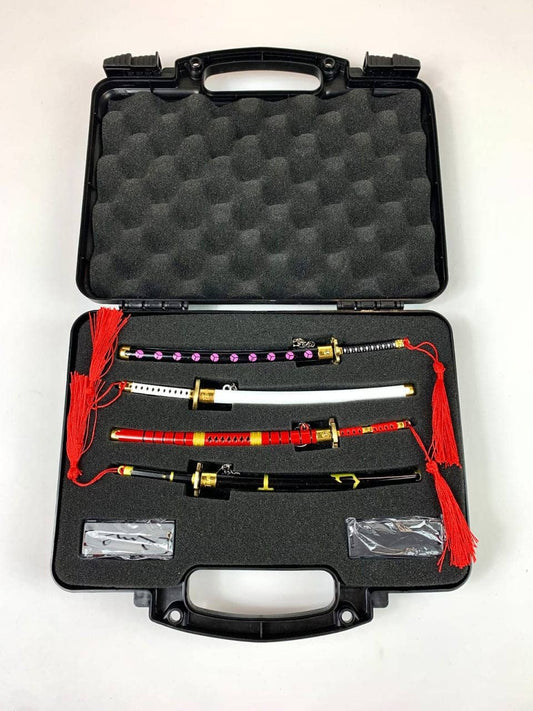
- Katanas: used occasionally, mainly in direct combat or self-defense, although it was not their usual weapon.
- Nunchaku: though less common, it was used for defense and training, requiring skill and agility.
- Kunai: a multifunctional knife used for stabbing, throwing, digging, or climbing; highly valued for its practical versatility.
Each weapon required specialized training and was integrated into stealth and espionage techniques, demonstrating the creativity and versatility of ninjas in combat.
Historical Missions and Strategic Functions
Ninjas were employed by daimyōs and feudal lords to gather intelligence on rival clans, sabotage defensive structures, and eliminate enemy leaders.
Records from the Iga and Kōga clans document infiltration missions during conflicts such as the Sengoku Wars, where their participation was decisive in gaining tactical advantages.
Their ability to operate in secret made them key elements of Japanese military strategy, complementing the samurai in territorial defense and expansion.

Historical and Cultural Legacy of Ninjas
Although part of their history was mythologized, ninjas existed, and their activities are documented in clan records and military chronicles of feudal Japan.
Their influence remains in literature, cinema, manga, and anime, where shinobi symbolize strategy, stealth, and military prowess.
Their history demonstrates the importance of information, preparation, and adaptability in complex conflicts, leaving an educational legacy on tactics, discipline, and Japanese culture.
Do Ninjas Still Exist Today?
Descendants of the historical Iga and Kōga clans have preserved ninjutsu, the martial art of the shinobi, passed down through generations.
Today, techniques of stealth, infiltration, camouflage, observation, and the use of traditional weapons such as shuriken and kunai are taught, along with strategies and environmental knowledge.
Modern practitioners combine physical training, meditation, and historical study, respecting the ethics and lineage.
Although they no longer conduct military espionage, these schools keep the tradition alive, offering a connection to the history of feudal Japan and the strategic and cultural legacy of the ninjas.