América
Astronomical Knowledge of the Mayans: Predictions, Calculations, and Meanings
Systematic Sky ObservationThe Mayan civilization, which flourished from approximately 2000 BCE to the 16th century, d...


Solo podemos reservar tu pedido por 00:00 debido a la alta demanda
Worldwide shipping. Check our rates


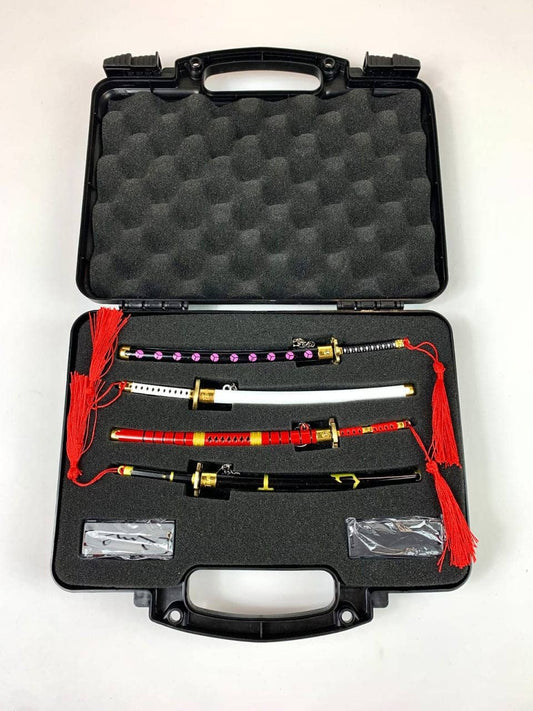
"Anime's legendary warrior weapons, forged in real steel"

On this journey through time, we will explore the unique characteristics of Viking swords, as well as their lasting impact on popular culture and military history.
Viking swords, with their sharp and elegant blades, have transcended time to become iconic symbols of the Viking Age. These legendary weapons, known for their quality and distinctive design, play a crucial role in the rich Norse history and mythology. On this journey through time, we will explore the unique characteristics of Viking swords, as well as their lasting impact on popular culture and military history. Forged with Expertise: Characteristics of Viking Swords Viking swords were, above all, efficient tools for battle. Their design features a sharp, straight, double-edged blade, ideal for quick, precise cuts. The handle, often with a cross-shaped guard and a short hilt, provided a firm grip during hand-to-hand combat. These swords were masterfully forged, using tempering techniques that gave them strength and sharpness. Steel and Forging Mastery: The Secret to Their Durability The steel used in the making of Viking swords, often sourced from regions such as Ulfberht in Scandinavia, was of high quality. Viking master forgers applied advanced techniques to achieve a strong, flexible blade, capable of withstanding impact in battle without losing its sharpness. These swords were more than mere weapons; they were extensions of the skill and craftsmanship of their creators. Ceremonies and Mythology: The Sword as a Symbol of Power Viking swords were not only weapons of war, but also symbols of status and power. Many of these swords were decorated with intricate carvings and ornamental details, marking the importance of ceremony and symbolism in Viking culture. Additionally, some swords were imbued with mythological significance, being considered sacred possessions that connected warriors to their gods. The Legacy of Viking Swords: Beyond the Battle Although the Viking Age has come to an end, the legacy of Viking swords lives on. Many of these weapons have been discovered in graves and archaeological sites, revealing not only their importance in everyday life and warfare, but also their connection to Viking burial beliefs and practices. The preservation of these swords over the centuries provides a fascinating window into life and death in ancient Norse society. In Popular Culture: Viking Swords as Modern Icons The appeal of Viking swords extends beyond history books and archaeological digs. In contemporary popular culture, Viking swords have captured the imagination of writers, filmmakers, and martial arts enthusiasts. The depiction of these swords in films, television series, and novels has contributed to their status as indomitable icons of Norse history. Here you have Viking swords: https://espadasymas.com/collections/espadas-vikingas Conclusion: A Testament of Viking Strength and Prowess Skillfully forged and imbued with cultural significance, Viking swords remain testaments to the craftsmanship and bravery of Norse warriors. In each razor-sharp blade lies the story of an era marked by exploration, trade, and the indomitable strength of the Vikings. Once slicing through the air in the hands of bold warriors, these swords continue their journey through time, telling the story of a civilization that left an indelible mark on world history.
Read more
The Japanese katana is a symbol of skilled craftsmanship and Japan's deep spiritual connection to its history. The katana has been revered as a masterpiece of forging, an extension of...
The Japanese katana is much more than just a sword; it is a symbol of Japan's craftsmanship and deep spiritual connection to its history. Throughout the centuries, the katana has been revered as a masterpiece of forging, an extension of the samurai, and an emblem of the rich history of feudal Japan. Traditional Forging: The Art of Tatara The history of the katana dates back to the ancient Japanese art of forging, which employs the steelmaking method called Tatara. Originating in the 8th century, this process involves melting iron ore and charcoal in a special furnace. This steelmaking ritual is considered by many to be an almost mystical practice , where master forgers perform their work with reverence, believing they are infusing the metal with the virtues of the samurai. Here you can see our katanas: https://espadasymas.com/collections/katanas The Art of the Sword: Development of the Katana Although Japanese swords evolved over the centuries, the katana in its most recognizable form emerged during the Kamakura period (1185-1333). Designed to fit a new reality where not only large battles but also individual battles mattered, the katana was a sharp, elegant and highly functional sword. The Soul of the Katana: The Spirituality of Forging The katana is not simply a weapon; it is an extension of the samurai's soul. Each katana is believed to have a spirit, and master forgers have passed this belief down through the generations. Meticulous attention to every detail during forging, known as "tamahagane," is essential to infusing soul into the steel. Check out our functional katanas: https://espadasymas.com/collections/katanas-funccionales The Bushido Code: The Katana as a Symbol of Honor The katana is not only a physical artifact; it also represents the core values of bushido, the ethical code of the samurai. Loyalty, honor, and bravery are intrinsic to the katana, and the samurai saw their sword as an extension of their very being. (Concepts developed at least in written form primarily from the Edo Period onwards, due to the flowering of artistic and philosophical currents during that period and the peace that this period brought.)
Read more